
The Rule of Thirds
Unlike a latte, which is mostly hot milk with a small layer of microfoam, a traditional cappuccino is defined by the "rule of thirds." It should consist of 1/3 espresso, 1/3 steamed milk, and a massive 1/3 of thick, airy milk foam. Achieving this distinct separation is where most people go wrong.
Mistake 1: Not Aerating the Milk Enough
To get that characteristic thick layer of foam on top, you need to introduce a significant amount of air into your milk while it is still cold. If you are using a steam wand, you need to keep the tip near the surface of the milk longer than you would for a latte, creating a tearing sound that injects air. If you just submerge the wand immediately, you'll heat the milk without building the thick, stiff foam required for a cappuccino.
Mistake 2: Using the Wrong Milk
Foam stability relies heavily on protein and fat content. Skim milk will create massive, bubbly foam that disappears quickly. Almond milk often lacks the protein to hold a stiff structure. For the best, velvety cappuccino foam at home, use fresh, cold Whole Milk, or specifically formulated "Barista Edition" oat milk, which has added stabilizers to support heavy frothing.
Mistake 3: Waiting Too Long to Pour
As soon as you finish frothing your milk, the foam and the liquid milk immediately begin to separate in your pitcher. If you let the pitcher sit on the counter while you clean up or brew your espresso, the foam will turn stiff and unpourable. You should aim to swirl your milk pitcher constantly and pour your cappuccino immediately after steaming to ensure the foam cascades out smoothly over the coffee.
Perfect Your Ratios
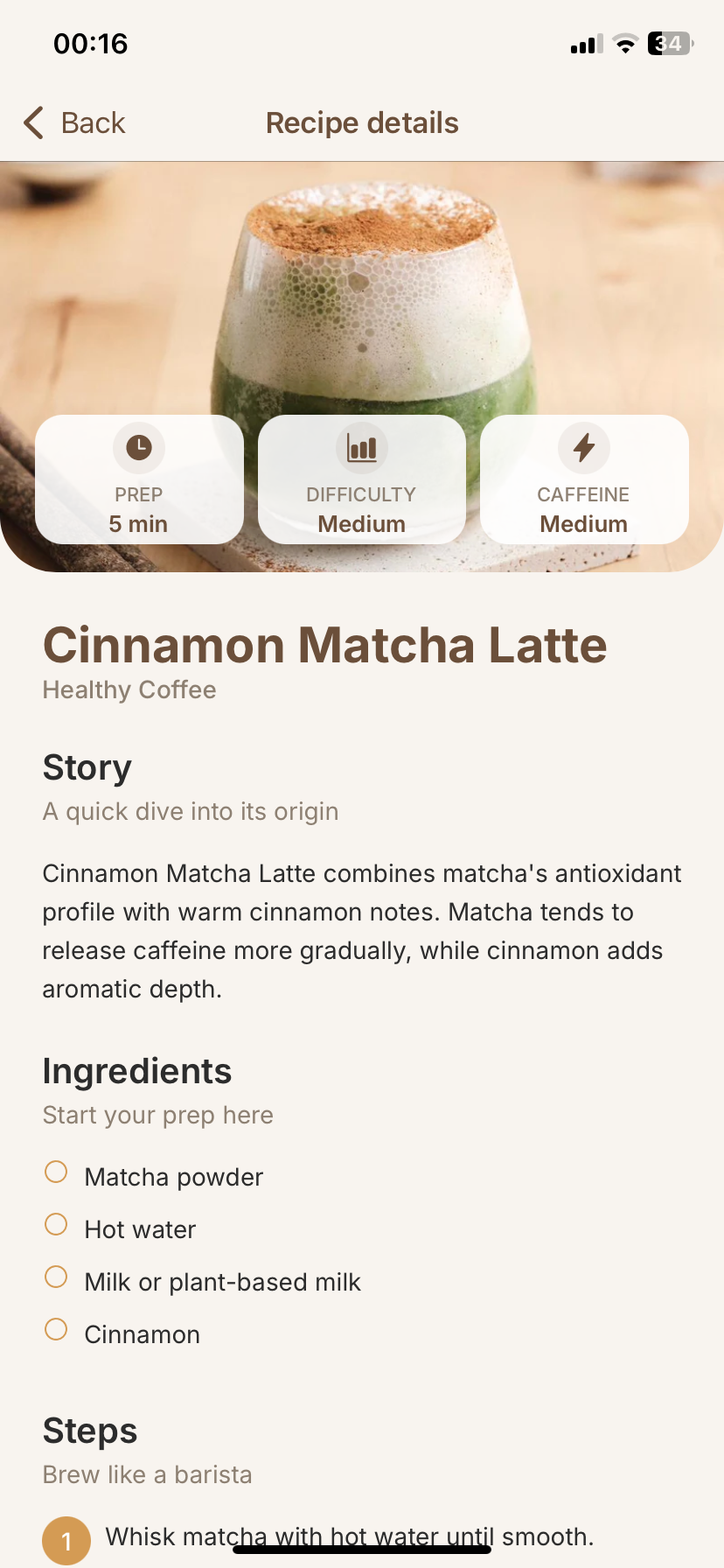
Understanding the exact volume of espresso to milk is crucial when you pour a cappuccino. It is easy to accidentally pour too much milk and turn the drink into a latte. If you want visual guides and exact measurements to help you perfect this classic drink, a dedicated app can be a massive help.
Frequently Asked Questions (FAQ)
What is the difference between a latte and a cappuccino?
A latte consists mostly of hot, lightly steamed milk topped with a very thin layer of microfoam. A cappuccino has much less steamed liquid milk and is instead topped with a massive, airy layer of thick foam (the rule of thirds).
Do I need a commercial espresso machine to make cappuccino foam?
While powerful steam wands make it easier, you can whip up excellent, thick cappuccino foam at home using a French press. Simply heat the milk and pump the plunger vigorously to incorporate air.
Why does my milk foam vanish so quickly?
Foam collapses quickly if the milk was heated too hot (scalding breaks down the proteins), or if you used an alternative milk with very low protein or fat content, like standard almond milk.


Telve: Coffee Recipes
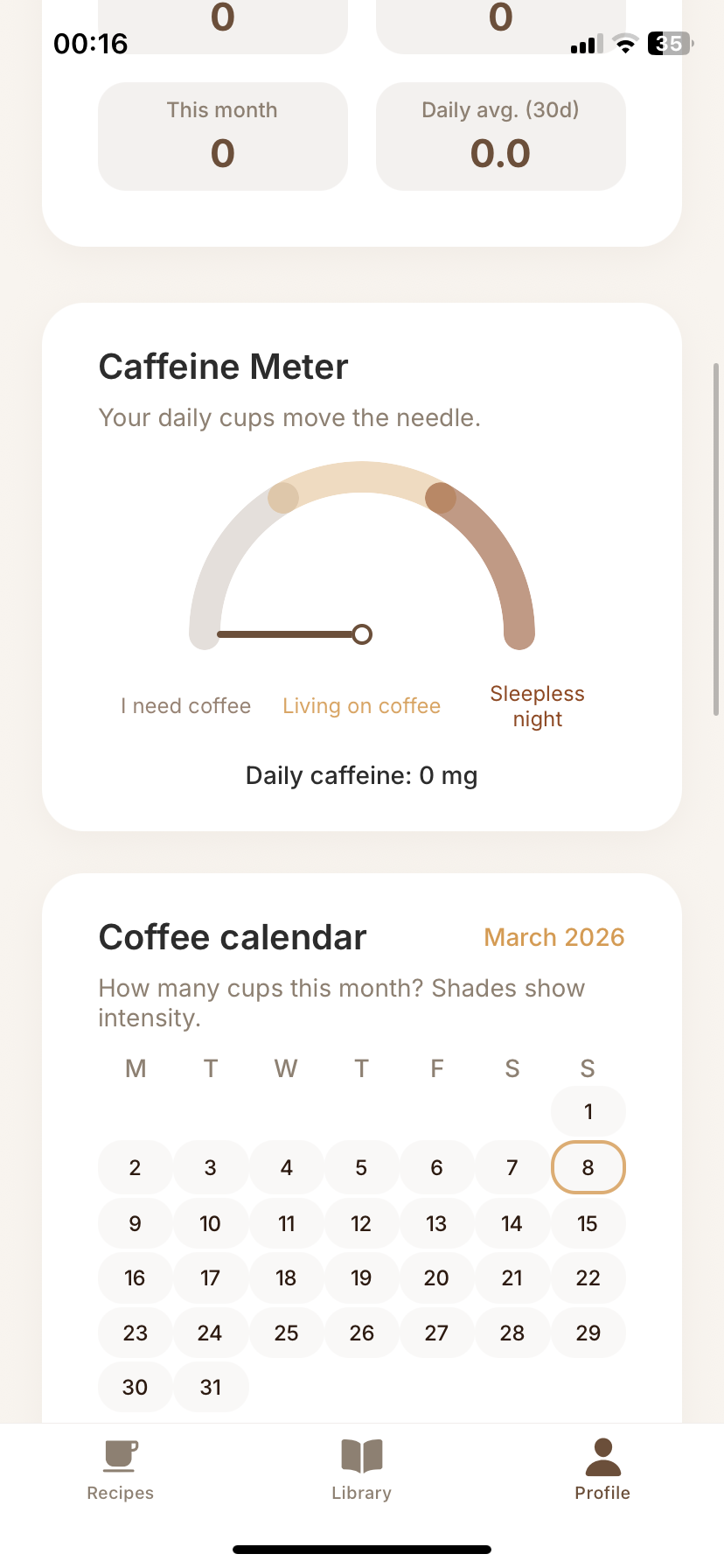
Everything coffee lovers need in one app.
Discover unique coffee recipes
Explore a curated collection of coffee recipes, from classics like espresso and latte to refreshing iced coffee and cold brew. With clear, step-by-step instructions, Telve helps you easily brew your favorite coffee drinks at home.