
Getting a match feels like progress, but it is only the opening. A match means there is enough initial interest for a conversation. It does not mean there is enough trust for a date yet, and it does not mean you should text forever hoping the other person eventually suggests meeting.
Most match-to-date failures happen in the middle. The first message gets a reply, then the chat becomes random questions. Or the conversation is going well, but nobody makes a plan. Or someone asks for a date before there is any comfort, which can feel abrupt or unsafe.
A better approach is to treat the match like a short sequence. You are not trying to win every message. You are trying to move through the right stages at the right pace.
To turn a dating app match into a real date, send a specific opener, build two or three mutual exchanges, identify one shared topic, then suggest a low-pressure public plan: "This has been fun. Want to grab coffee this week?" Once they say yes, choose a day, time, and place, then confirm once before meeting.
The Match-to-Date System
The simplest way to avoid overthinking is to know the job of each stage. Do not ask for the date before you have comfort. Do not keep asking questions after there is enough momentum. Move one step at a time.
| Stage | Goal | Example move |
|---|---|---|
| 1. Match | Use one profile detail or easy prompt. | "Your coffee photo looks like it comes with strong opinions." |
| 2. First reply | React before asking another question. | "I respect the confidence. Oat milk people do not negotiate." |
| 3. Momentum | Find a shared topic or preference. | "Are you more coffee walk or sit-down coffee person?" |
| 4. Date pivot | Turn the thread into a simple plan. | "We should test this coffee theory this week." |
| 5. Logistics | Set day, time, place, and confirmation. | "Thursday evening or Sunday afternoon works better?" |
This is the difference between chatting and progressing. Chatting asks, "What do I say next?" Progressing asks, "Which stage are we in?"
Step 1: Start With a Specific First Message
The first message should prove you noticed something. It does not have to be brilliant. It just needs to make replying easy. On Tinder, Bumble, and Hinge, profile-specific messages usually work better than generic "hey" because they create an immediate thread.
- "That hiking photo looks peaceful, but I do not trust how casual you made it look."
- "Your dog has the energy of someone who makes all the household decisions."
- "You have two food photos, so I need to know which one was actually worth it."
- "Your Hinge prompt about bad movies is dangerous. I have opinions."
- "You seem like someone with a very specific coffee order."
A good opener creates a reply path. If you want more first-line options, use best first message examples for dating apps or 50 first message examples for dating apps. If you get a low-effort opener from them, use how to reply to hey on Tinder.
Step 2: React Before You Ask More Questions
The fastest way to make a match feel like an interview is to ask question after question without reacting. If they answer your opener, do three things: acknowledge, add a small point of view, then give the thread back.
That small reaction makes the conversation feel human. If you are stuck after their reply, use what to say when you don't know how to reply. If the whole thread is going flat, use how to keep a conversation going over text.
Step 3: Look for Date-Ready Signals
You do not need a perfect signal before asking for a date. You need enough evidence that meeting would feel reasonable. Look for patterns, not one isolated message.
| Signal | What it means | Next move |
|---|---|---|
| They ask questions back | They are investing, not just answering. | Build one more exchange, then suggest a plan. |
| They add detail | They are giving you material to use. | Turn the detail into a date idea. |
| They tease or play along | The tone has enough comfort. | Use a light, playful invite. |
| They mention real-life places | The conversation has a practical bridge. | Suggest coffee, drinks, dessert, or food nearby. |
| They reply warmly but slowly | They may be busy but interested. | Keep it simple and avoid chasing. |
For a deeper timing decision, use when to ask for a date after matching. If you want a practical message-count window, use how long you should text before asking for a date.
Step 4: Pivot From Chat to Date
The date pivot should feel like a continuation of the conversation, not a sudden sales pitch. Use the shared thread as the bridge.
- "This has been fun. Want to grab coffee this week?"
- "We could keep debating tacos here, or test the theory in person."
- "I like this conversation. Want to continue it over a drink sometime?"
- "You have made a strong case for that dessert place. Want to go this weekend?"
- "No pressure, but I would be up for a low-key coffee if you are."
If you want more wording options, use how to suggest a date idea over text. If you need the broader asking framework, use how to ask someone out on a dating app. For Tinder-specific full scripts, use Tinder conversation examples from match to date.
Step 5: Keep the First Plan Safe and Easy
A real date should be specific, but it should not feel intense. Early dates are usually better when they are public, flexible, and easy to exit. That protects both people and makes saying yes easier.
Tinder's safety tips recommend taking time before meeting, meeting in public, staying in public, telling someone your plans, and controlling your own transportation. Bumble's meeting guidance similarly recommends getting to know the person, choosing a public place, sharing plans, and keeping the first meeting light.
| Better first plan | Why it works | Avoid early |
|---|---|---|
| Coffee | Short, public, and easy to extend. | Private apartment meetups. |
| Dessert | Light and specific without dinner pressure. | Expensive, formal first plans. |
| Casual drink | Works if both people are comfortable. | Pressure to drink more than you want. |
| Coffee walk in a busy area | Relaxed, conversational, and flexible. | Remote hikes or isolated places. |
Keep the first plan simple. Chemistry is easier to test when both people feel comfortable leaving if the vibe is not there.
Step 6: Move to Texting Only When It Has a Purpose
You do not need to get someone's number before asking for a date. In many cases, asking for the plan first is smoother because the number request has a reason: logistics.
- "Saturday coffee sounds good. We can keep planning here, or I can send you my number if texting is easier."
- "Happy to keep it on the app, but texting may be easier for day-of logistics."
- "No pressure either way, but I can send my number if that is simpler."
If they prefer staying on the app, respect that immediately. Pushing for a number after they decline usually lowers trust. For exact scripts, use how to move from dating app chat to texting.
Step 7: Confirm the Date Without Over-Texting
Once the plan is set, do not restart the entire conversation just to keep reassurance flowing. A clean confirmation is enough.
- "Still good for coffee tomorrow at 10? Looking forward to it."
- "Just confirming we are still on for Thursday at 7."
- "Tomorrow still works? I am ready to defend my dessert opinion."
If the plan was made several days ago, confirm the day before. If it was made yesterday, a same-day confirmation can be enough. For more examples, use how to confirm a date without sounding needy and what to text before a first date.
What If the Match Is Warm but Avoids Meeting?
Some people enjoy chatting but do not have real intent to meet. Others are interested but cautious, busy, or unsure. You do not need to guess forever. Make one clear, low-pressure suggestion and watch what they do with it.
| Their response | What it may mean | What to do |
|---|---|---|
| "Maybe" | Uncertain, busy, or low intent. | "No pressure. If another day works better, let me know." |
| "I'm busy" | Could be real, but a real yes usually offers another option. | Leave the door open once, then stop pushing. |
| They change the topic | They may like attention more than the plan. | Do not keep performing. Slow your investment. |
| They suggest another day | Interest is still real. | Accept and set logistics. |
If the conversation is confusing, use dating app screenshot analyzer: what your chat really means. If the chat is already dead, use how to revive a dead dating app conversation for one reset attempt.
Common Mistakes That Stop Matches From Becoming Dates
- Opening generically: "hey" gives them no reason to invest.
- Interviewing: asking questions without reacting makes the chat feel like work.
- Over-flirting too early: attraction needs comfort before escalation.
- Waiting too long: endless texting can flatten a good match.
- Asking too abruptly: a date invite needs at least some shared context.
- Making the first plan too intense: long, private, expensive, or isolated plans create friction.
- Chasing vague replies: a maybe is not a yes unless they help move the plan forward.
If you are mostly struggling to get replies before this stage, use how to get better replies on Tinder, Bumble, and Hinge. If your match replies with one word, use how to respond to one-word replies on dating apps.
How Rizz Can Help Move From Match to Date
The hard part is not knowing that you should ask for a date eventually. The hard part is choosing the right moment and wording based on the actual conversation. A playful match needs a different pivot than a cautious match. A dry match needs a different reset than a warm match. A yes needs logistics, while a maybe needs calm boundaries.
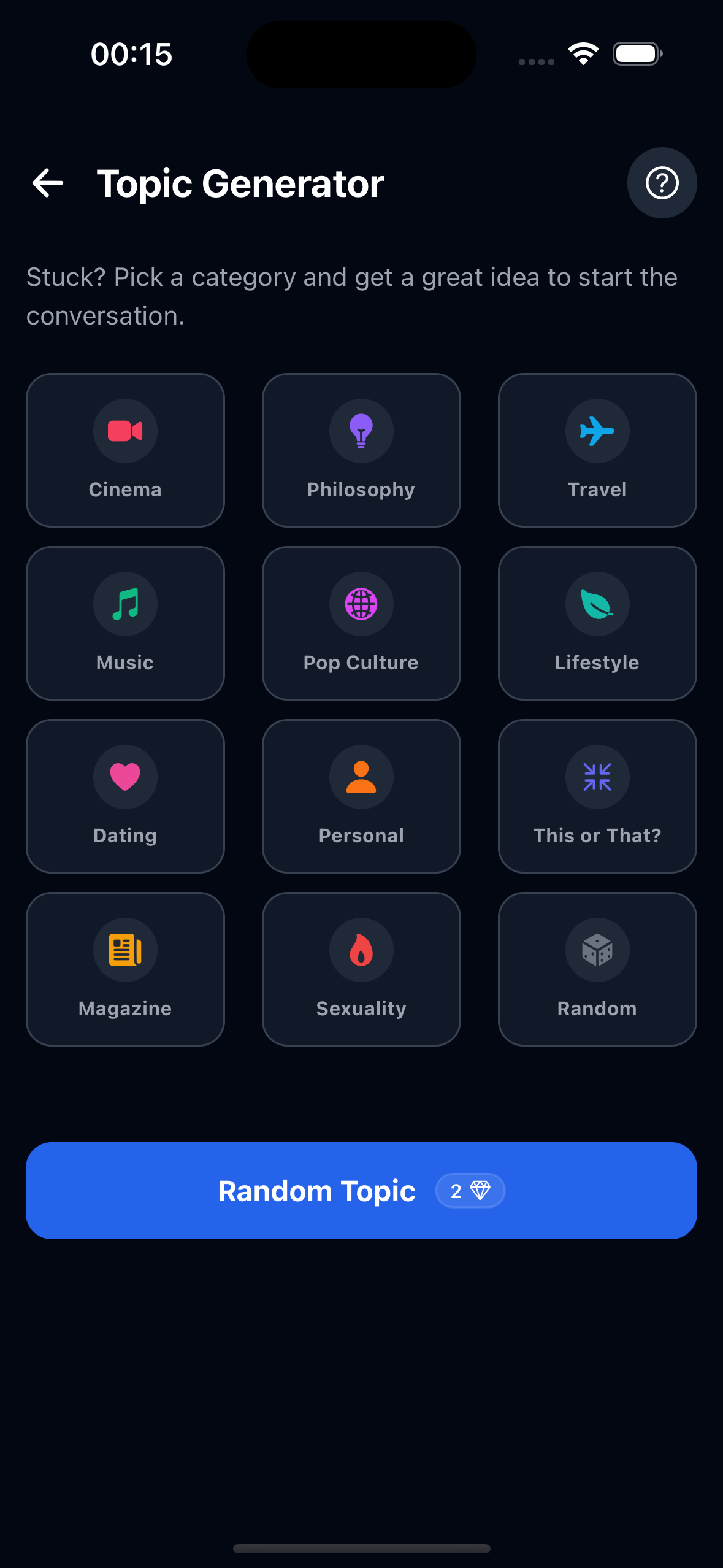
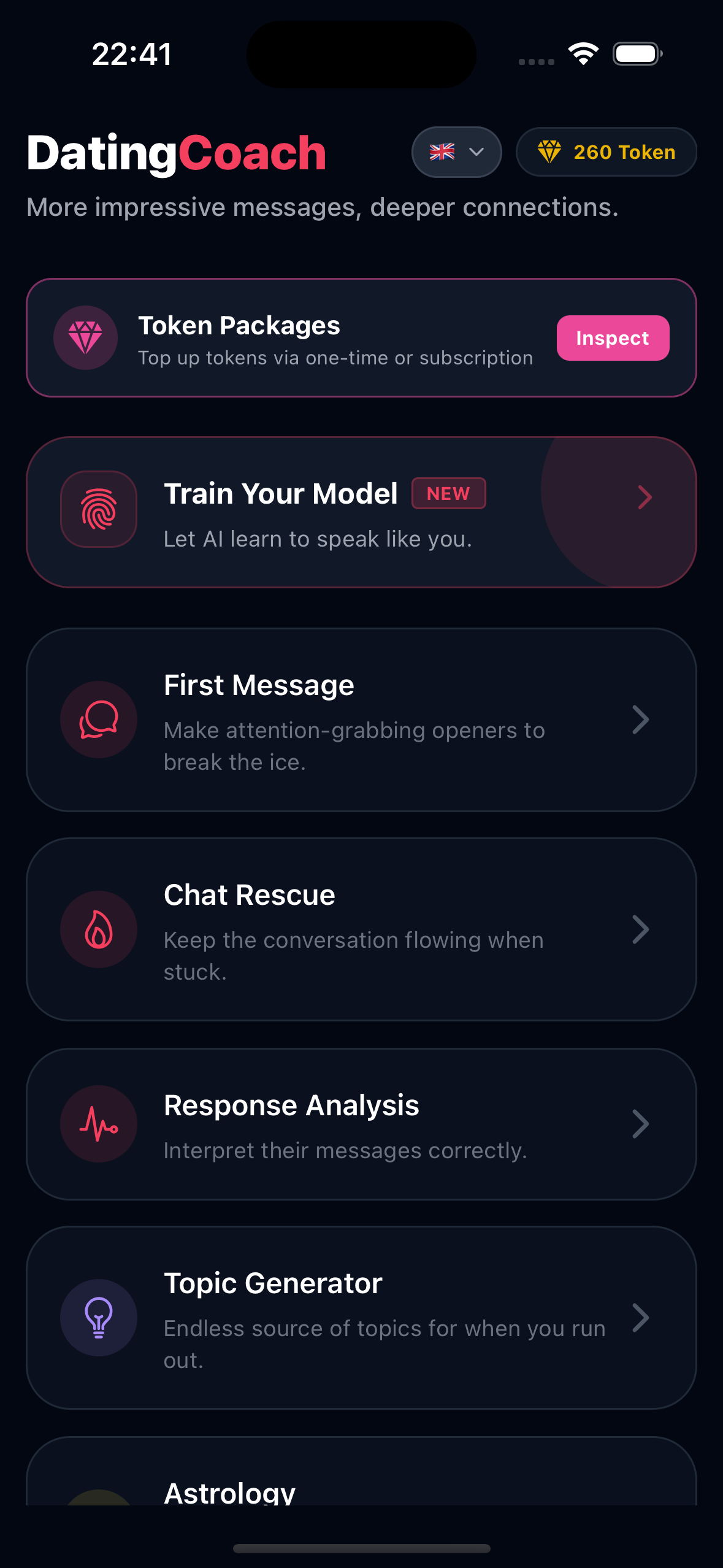
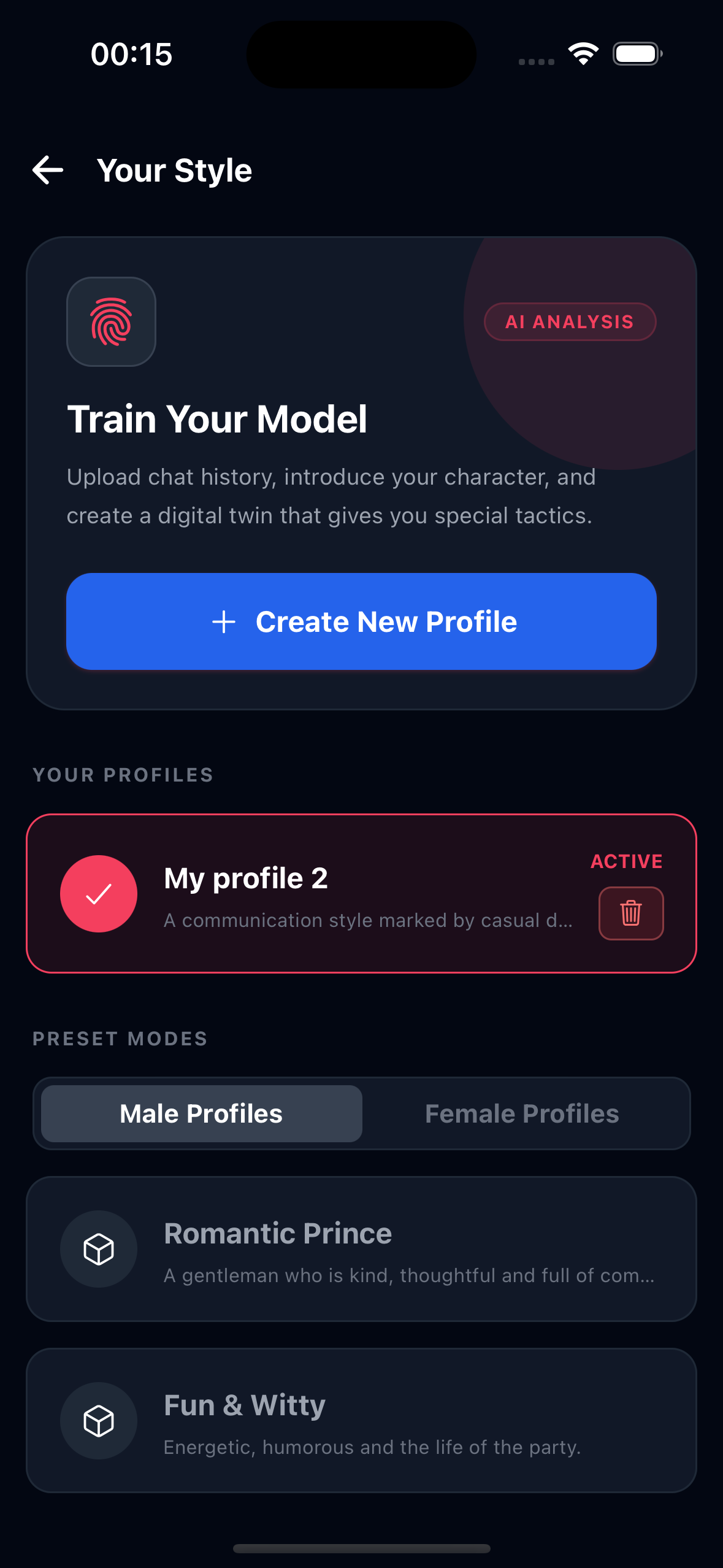
The Rizz Dating Coach app can help you turn a real dating app screenshot into next-message options: openers, follow-ups, playful resets, date pivots, number requests, and confirmations. Use it to compare tones, then send the version that sounds most like you.
Use AI as a drafting tool, not as a personality replacement. The best match-to-date text should still be honest, specific, and comfortable to receive.
Final Match-to-Date Checklist
Before you send the next message, ask:
- Have I reacted to what they said instead of only asking another question?
- Is there mutual effort in the conversation?
- Do we have one shared topic that can become a plan?
- Is the date idea public, simple, and low-pressure?
- Did I give a clear next step without cornering them?
- If they hesitate, am I prepared to stop pushing?
- Once the plan is set, have I confirmed logistics clearly?
A dating app match becomes a real date when the conversation stops floating and starts moving. Keep the chat specific, build enough comfort, suggest a simple plan, and respect the answer. That is the whole system.
FAQ
How do you turn a dating app match into a real date?
Start with a specific first message, build two or three real exchanges, find a shared topic, suggest a simple public plan, then confirm the logistics. The goal is to create comfort and momentum before the chat becomes endless small talk.
How many messages before asking for a date?
There is no fixed number, but many matches are ready after about 6 to 15 messages each if the replies are warm, mutual, and specific. Ask sooner when the energy is clear and wait longer when trust is still low.
What is the best way to ask a dating app match out?
Connect the invite to the conversation and make it low-pressure. For example: "This has been fun. Want to grab coffee this week?" A specific but simple plan works better than "we should hang sometime."
Should you move from the app to texting before a date?
Usually ask for the date first, then move to texting only if it makes logistics easier and both people are comfortable. It is also fine to keep the first plan inside the dating app.
What if a match keeps chatting but avoids meeting?
Make one clear, low-pressure date suggestion. If they dodge the plan without offering another time or idea, treat that as uncertainty and stop over-investing.