
A Guide to Choosing Coffee Based on Flavor Profile
Ever bought a beautiful bag of specialty coffee only to realize it tastes like lemon tea when you wanted a rich, chocolatey morning cup? Understanding coffee flavor profiles is the secret to never buying the wrong bag of beans again.
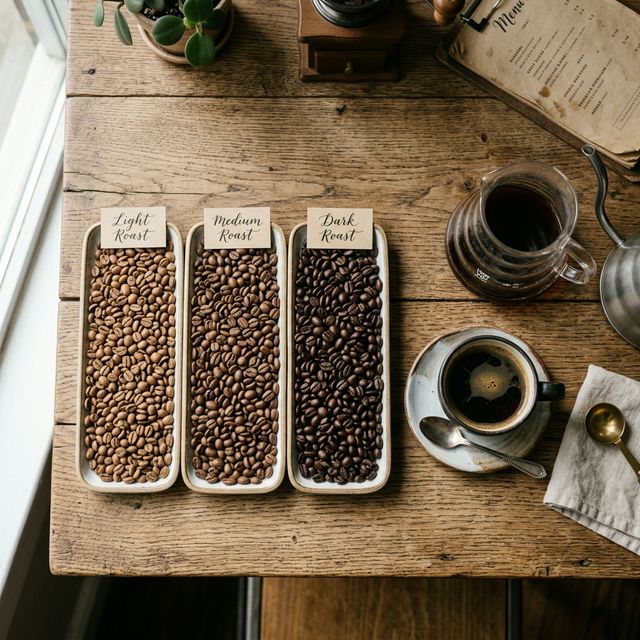
Coffee is not a monolith. Its flavor is influenced by origin, processing method, and most importantly, roast level. Here is exactly how to decode coffee bags and choose a flavor profile that perfectly matches your palate.
Understanding Roast Levels
1. Light Roast: Fruity, Floral, and Bright
Light roasts look dry with no surface oil. They are roasted just enough to become drinkable, preserving the exact flavors of the region they were grown in.
Tasting Notes: Berries, citrus, floral, black tea, high acidity.
Best For: Pour-over, Chemex, Aeropress, and black coffee drinkers who love complexity over intensity.
2. Medium Roast: Sweet, Balanced, and Approachable
This is the crowd-pleaser. Medium roasts start to lose their sharp acidity and replace it with developed sugars and body. They are incredibly balanced.
Tasting Notes: Milk chocolate, brown sugar, almond, stone fruit.
Best For: Everyday drip coffee, approachable espresso, and light milk drinks like flat whites.
3. Dark Roast: Bold, Smoky, and Intense
Dark roasts are shiny with surface oils. The flavor of the bean's origin is mostly roasted away, replaced entirely by the flavor of the roasting process itself. They have almost no acidity.
Tasting Notes: Dark chocolate, smoke, roasted nuts, molasses.
Best For: Traditional Italian espresso, cold brew, and heavy milk drinks like lattes and cappuccinos.
Decoding Coffee Origins
Where a coffee bean is grown has a massive impact on its natural flavor profile before it even touches a roaster.
- Africa (Ethiopia, Kenya): Expect explosive fruit flavors, bright acidity, berry notes, and tea-like bodies.
- Central & South America (Colombia, Brazil): Expect classic "coffee" flavors like milk chocolate, caramel, nuts, and medium acidity.
- Asia/Pacific (Sumatra, Indonesia): Expect heavy, earthy, spicy, and deeply bold flavors with very low acidity.
Matching Your Preferences
If you put sugar and milk in your coffee every morning, a light African roast will taste sour and watery. You want a Medium-Dark South American bean. Its chocolatey notes will cut through the milk beautifully.
If you drink your coffee black and want to taste subtle nuances like a fine wine, seek out a Light Ethiopian roast and brew it carefully with a V60 pour-over.
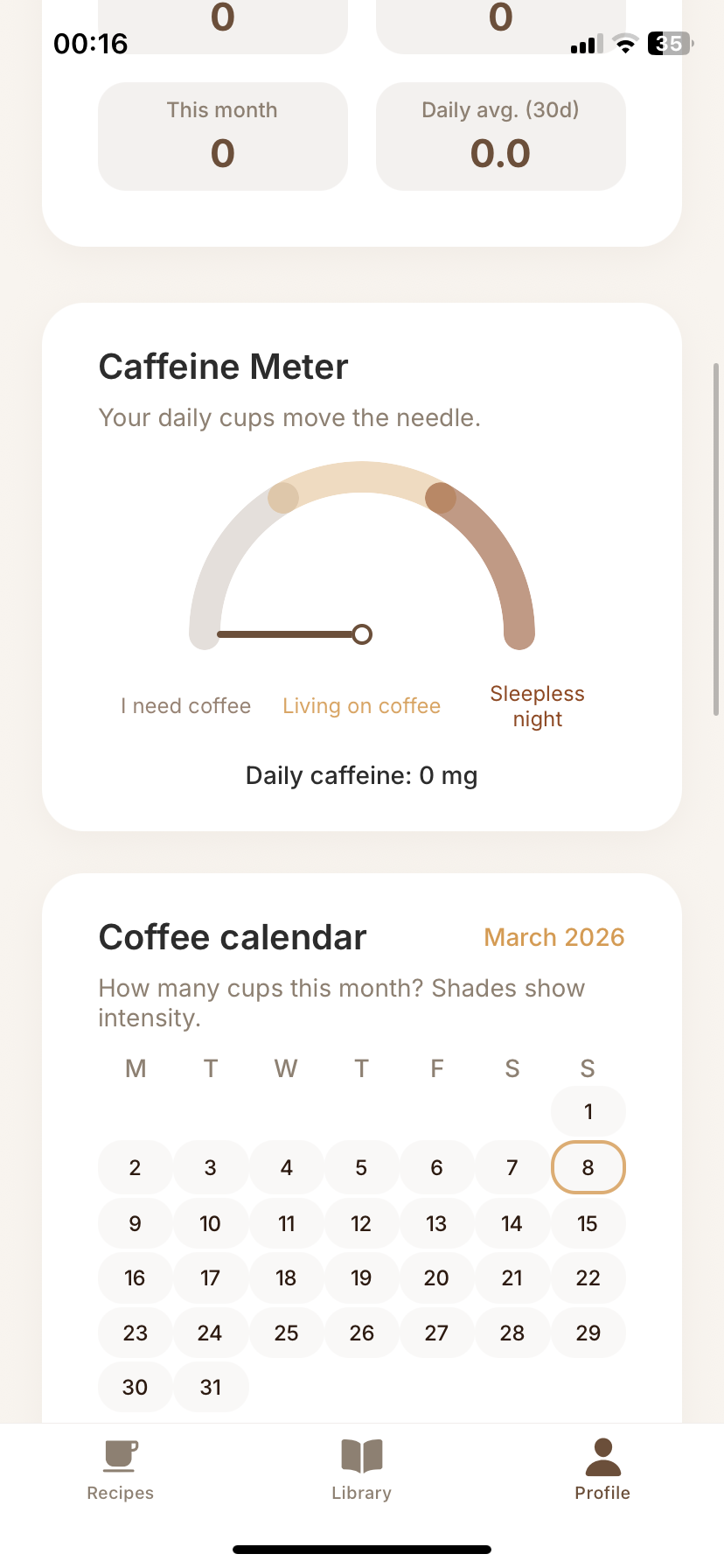
Keeping a digital journal of which profiles you like (and dislike) is the easiest way to figure out your perfect cup. The Telve: Coffee Recipes app allows you to explore different brew methods tailored perfectly to different bean profiles.
Frequently Asked Questions (FAQ)
Why does light roast coffee taste sour?
Light roast coffee isn't sour; it is highly acidic. Because the beans are roasted for a shorter duration, the natural fruit and citrus notes within the bean are preserved, leading to a bright, tea-like flavor.
Are dark roasts higher in caffeine?
No, this is a common myth. Light roasts actually retain slightly more caffeine than dark roasts because the prolonged roasting process of dark beans breaks down caffeine molecules.
Which flavor profile is best for milk drinks?
Medium-dark and dark roasts (often with chocolate, nut, and caramel notes) are ideal for milk drinks. Their bold flavors cut right through the milk without losing their coffee identity.

Telve: Coffee Recipes
Everything coffee lovers need in one app.
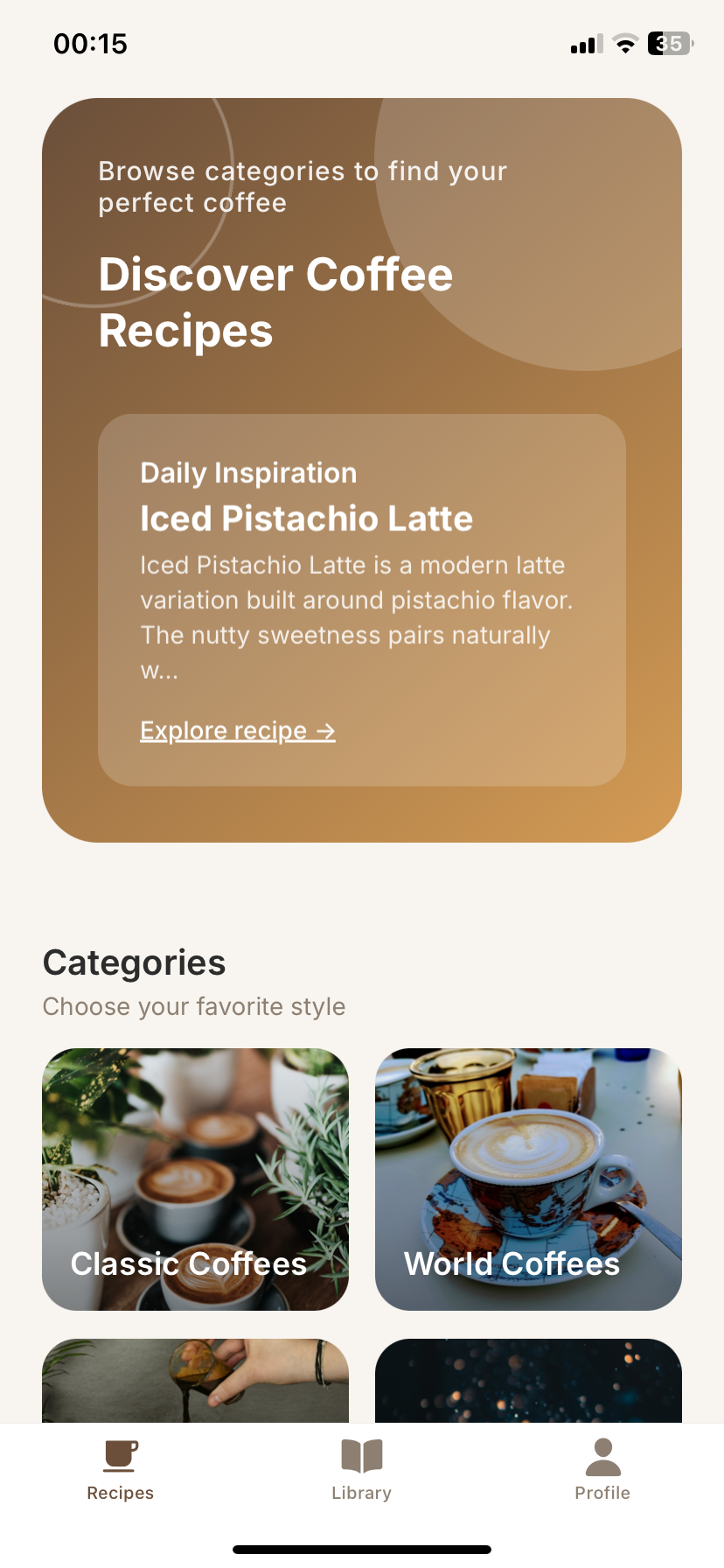
Discover unique coffee recipes
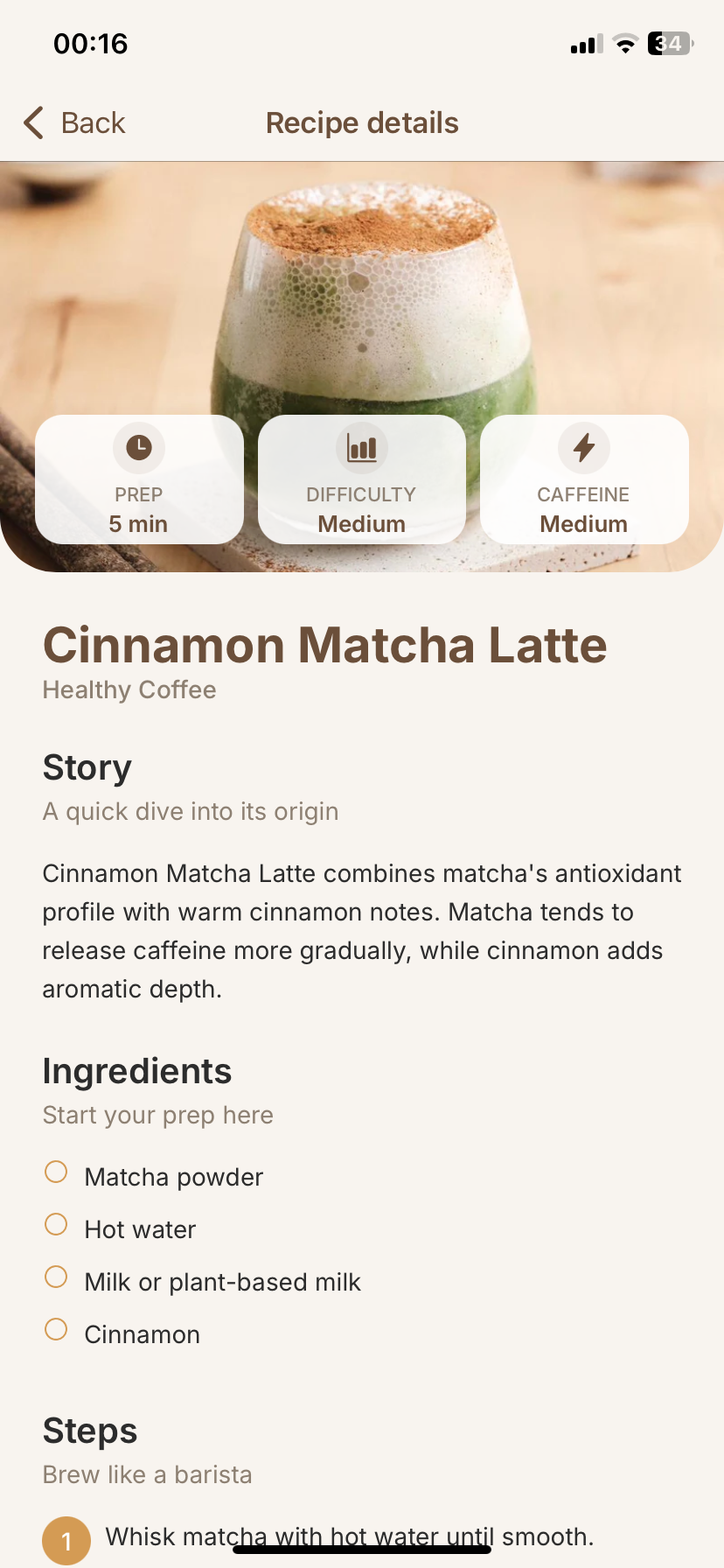
Explore a curated collection of coffee recipes, from classics like espresso and latte to refreshing iced coffee and cold brew. With clear, step-by-step instructions, Telve helps you easily brew your favorite coffee drinks at home.