How to Find the Right Target Audience for Your Business
The absolute quickest way to bankrupt an early-stage startup is to proudly claim that your software product is "for everyone." If your marketing messaging is designed to simultaneously appeal to union plumbers, college students, and corporate accountants, it will be so catastrophically generic that it will fail to convince any of them to actually pull out their credit card. Finding the right target audience is a game of ruthless exclusion.

- Why the "Total Addressable Market" (TAM) is a dangerous vanity metric.
- The critical pivot from lazy Demographics to high-converting Psychographics.
- How to construct a highly rigid, exclusionary Ideal Customer Profile (ICP).
- Locating your audience's digital "Watering Holes" to slash customer acquisition costs.
- Validating whether your defined audience actually has purchasing power.
The "TAM" Trap and the Importance of Niche Monopoly
When founders pitch investors, they often present massive, multi-billion-dollar figures representing their Total Addressable Market (TAM). "The global coffee market is $400 billion. If we just capture 1% of it, we will be a unicorn."
This 1% fallacy is arguably the most destructive myth in entrepreneurship. You do not accidentally capture 1% of a massive market; you are actively fighting entrenched, heavily capitalized incumbents who will crush you. The secret to startup growth is to do the exact opposite: find a microscopic, hyper-specific niche (a SOM - Serviceable Obtainable Market), build a monopoly within that tiny demographic because you cater to their specific needs perfectly, and then slowly expand your audience parameters outward.
Amazon Did Not Start as an "Everything Store"
In 1994, Jeff Bezos did not try to sell electronics, clothing, and groceries simultaneously to "everyone." He specifically targeted a highly isolated demographic: affluent, internet-savvy readers. He sold only books. By exclusively focusing on a narrow audience with a highly targeted product, Amazon created a flawless operational monopoly. Only years after dominating the book niche did they expand to music, and then electronics. You must niche down until it hurts.
1. Abandon Demographics, Focus Exclusively on Psychographics
Traditionally, legacy marketing relied heavily on demographics: age, gender, geographic location, and income tier (e.g., "We are targeting women aged 25-34 residing in New York").
In the modern software and services market, broad demographics are practically useless. Consider this: Prince Charles and Ozzy Osbourne are both wealthy British men born in 1948. Demographically, they are identical. Psychographically, they have diametrically opposite purchasing habits, values, and software preferences.
The Power of Psychographic Segmentation
You must define your audience based on their deep-seated beliefs, their professional anxieties, and most importantly, their immediate pain points. Who actually cares deeply about the value proposition you are trying to sell?
- Demographic Approach (Lazy): "We sell productivity software to men aged 20-30."
- Psychographic Approach (High Conversion): "We sell productivity software to overwhelmed freelance developers who are terrified of missing client deadlines because they suffer from chronic ADHD and cannot maintain focus using traditional, cluttered project management tools."
Notice how incredibly specific the psychographic approach is? When you know exactly what is keeping your prospect awake at night, your website copywriting suddenly becomes extremely persuasive because it accurately mirrors the exact dialogue happening inside their own head.
2. Formulate the Ideal Customer Profile (ICP)
In highly effective B2B (Business-to-Business) companies, an ICP is the strict, unapologetic criteria that defines the perfect client. If a prospect does not perfectly fit the ICP, the sales team effectively refuses to sell to them. Why? Because poorly fitted customers will constantly churn, complain, and violently drain your customer support resources.
Anatomy of a Perfect ICP
A high-quality Ideal Customer Profile is not a vague persona. It is a highly tactical document that includes:
- Role & Authority: What is their exact job title? (e.g., "Director of Demand Generation"). Do they actually have the corporate authority to swipe the credit card, or do they need to ask their boss for permission?
- Current Tool Stack: What software are they currently using right now to solve this problem? Are they using a messy Excel spreadsheet, or are they paying $5,000 a month for legacy enterprise software?
- The Trigger Event: What highly specific emotional event causes them to seek out your exact solution? (e.g., "They just received a massive server bill from AWS and are panicking to cut background costs.")
- Success Metric: How are they evaluated at their job? Do they get promoted for saving money, or for increasing lead velocity? Your product must directly impact their promotion criteria.
When your ICP is explicitly defined, you can aggressively train your AI or marketing algorithms to legally "discriminate" and only target these exact highly profitable individuals, entirely ignoring the chaotic noise of the general public.
3. Validate Their Purchasing Power
You can identify a group of people who are experiencing massive, intense frustration. They might desperately want your solution. But if they literally do not have the money to pay for it, they are not a target audience; they are a charity case. This happens frequently when founders attempt to build B2C software for high school students or struggling artists.
B2B vs B2C Purchasing Dynamics
This is why so many SaaS founders pivot from B2C to B2B. A consumer will agonize for three weeks over whether or not to spend $4.99 on an iPhone app. A corporate executive will casually approve a $500/month software subscription if it saves them exactly 45 minutes of tedious spreadsheet labor per week.
Before you write a single line of code, you must ruthlessly validate whether your defined persona is accustomed to paying for premium tools in this specific category. Look at your competitors. Are people actually paying for alternatives, or is the entire market relying on open-source, free tools?
4. Locate Their Digital "Watering Holes"
Once you have defined the exact psychographic profile of your audience, identifying them is only half the battle. You must figure out exactly where they congregate digitally. If you don't know where they hang out, you can't advertise to them effectively.
The Niche Targeting Strategy
Ask yourself these highly specific questions to locate your audience:
- What incredibly specific, industry-insider newsletters do they read every single morning while drinking coffee?
- What highly moderated subreddits do they rant on when they are frustrated with their current workflow?
- Which precise, niche influencers do they trust entirely for technical advice?
- What annual offline conferences do they spend $2,000 to attend?
If your target audience consists of senior Python machine-learning developers, buying broad, highly expensive Facebook ads is a catastrophic waste of money. Instead, sponsor an underground, highly technical Python newsletter with only 4,000 loyal subscribers. Your Customer Acquisition Cost (CAC) plummets to near zero when you target isolated "watering holes" instead of dumping money into the vast, noisy ocean of general social media.
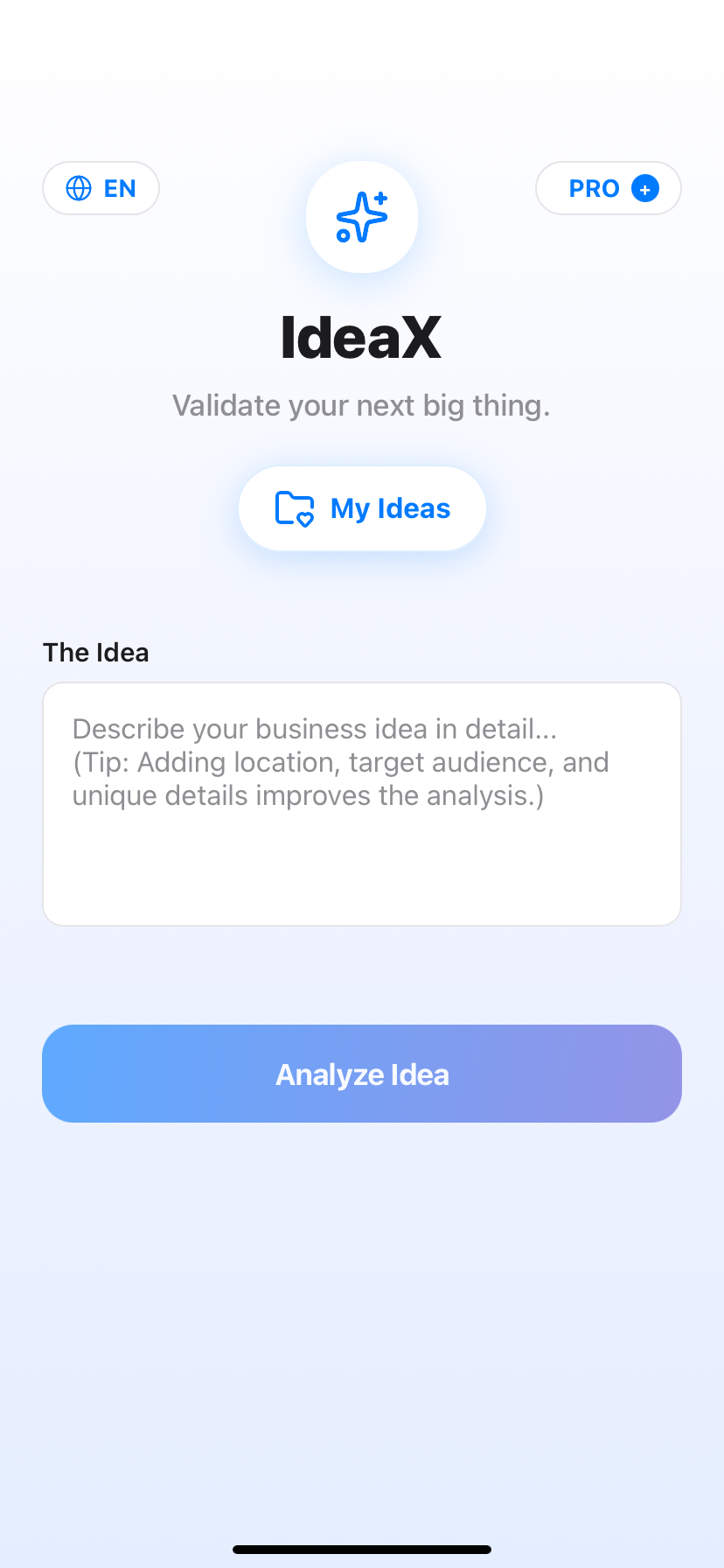
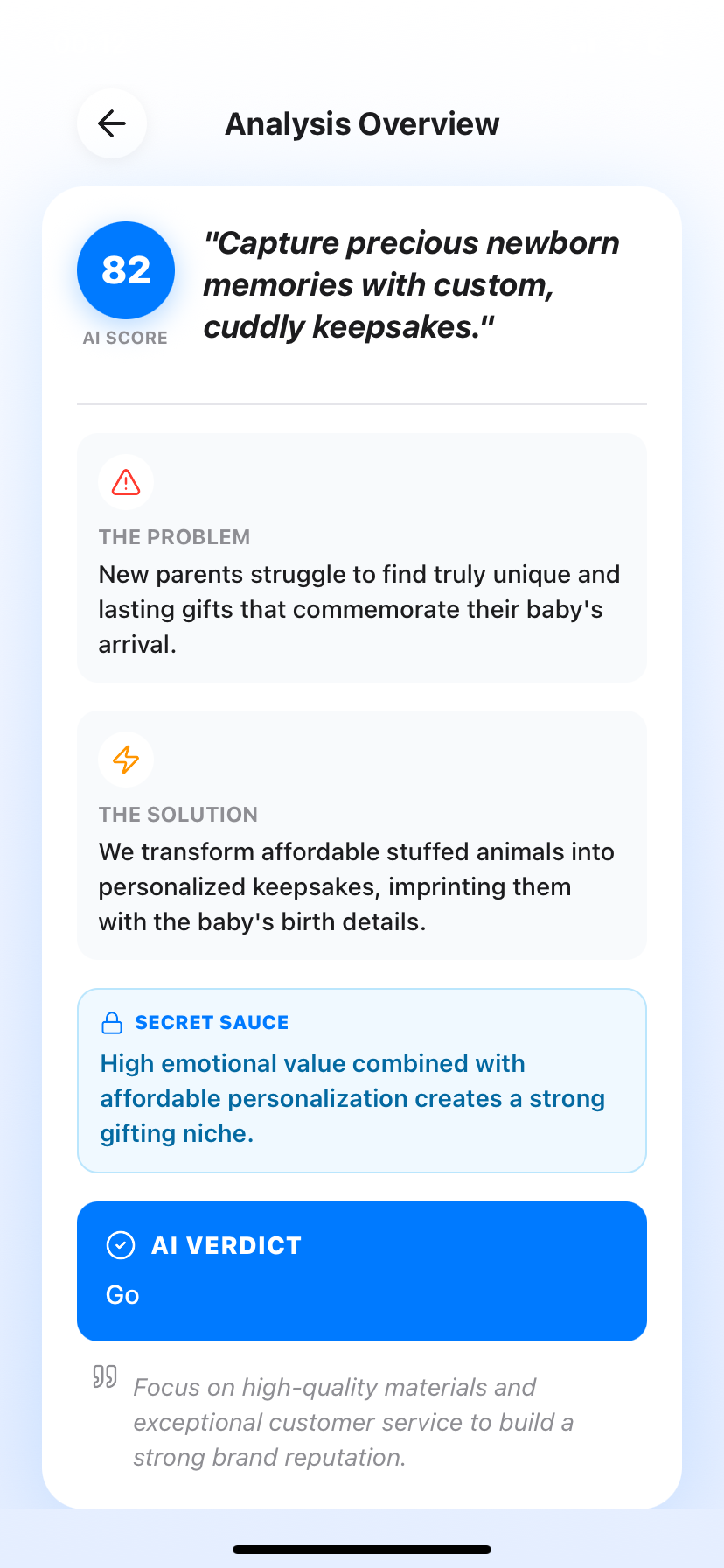
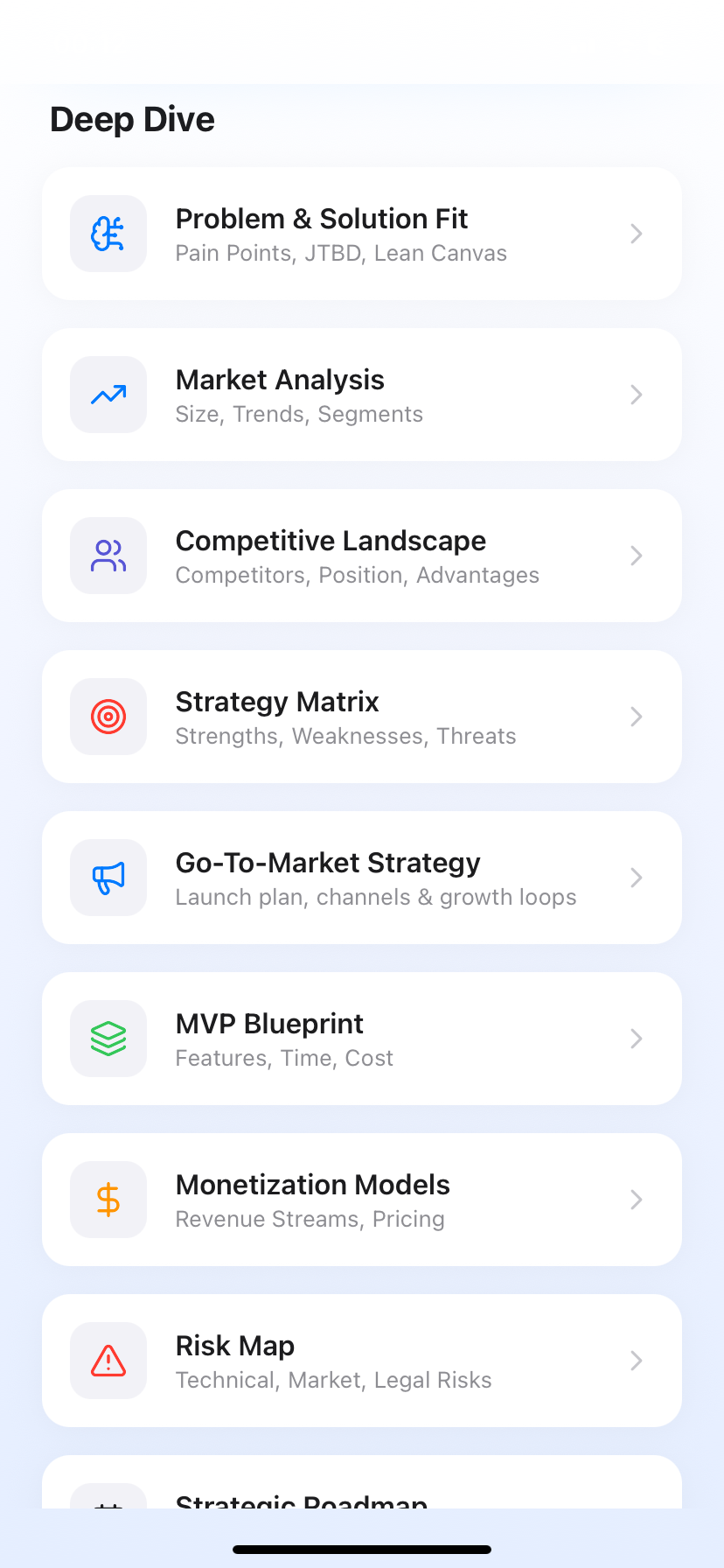

IdeaX: Business Idea Analysis
A structured space for evaluating what to build next.
Define your perfect customer automatically.
Struggling to figure out who actually wants to buy your startup idea? Stop guessing and wasting thousands on broad, failed Facebook ads. IdeaX features a highly advanced, AI-driven Ideal Customer Profile (ICP) generator. By analyzing the structural dynamics of your product proposition, IdeaX highlights the highly specific professional niches and psychometric segments most likely to convert, telling you exactly who to target and where they live online. Stop marketing to ghosts.
Frequently Asked Questions (FAQ)
Why is it dangerous to say my target audience is 'everyone'?
If you market to everyone, your messaging becomes so generic that it appeals to no one. Giant corporations can afford generic branding; early-stage startups must speak directly to a highly specific, desperate group to achieve early conversion and momentum.
What is the difference between Demographics and Psychographics?
Demographics describe "who" your buyer is (age, gender, income, location). Psychographics describe "why" they buy (their beliefs, frustrations, professional goals, and daily habits). In modern software, psychographics are exponentially more important for writing copy.
How do I create an Ideal Customer Profile (ICP)?
An ICP is a rigid definition of a profitable buyer. It goes beyond age and gender to define the customer's specific job title, their primary frustrations at work, their financial budget, the exact software tools they currently use, and the metrics they are judged by.
What does TAM, SAM, and SOM mean?
Total Addressable Market (TAM) is everyone who could possibly use your product. Serviceable Addressable Market (SAM) is the segment you can realistically reach. Serviceable Obtainable Market (SOM) is the highly specific, initial niche you will actually capture in your first two years.
What if my target niche feels far too small?
A 'too small' niche is rarely a problem initially. It is much easier to monopolize a tiny, desperate niche of 5,000 highly engaged users and expand outwards, than to try and capture 1% of a massive, heavily defended mainstream market dominated by massive corporations.