
Business Idea Validation Checklist Before You Write Code

IdeaX: Business Idea Analysis
Pressure-test your idea, audience, market, competitors, and risks before building.
Writing code feels productive, but it is often the most expensive way to learn that nobody wants the product. Before you open your editor, use this business idea validation checklist to test whether the problem is real, the audience is specific, the market has demand, and the first version is worth building.
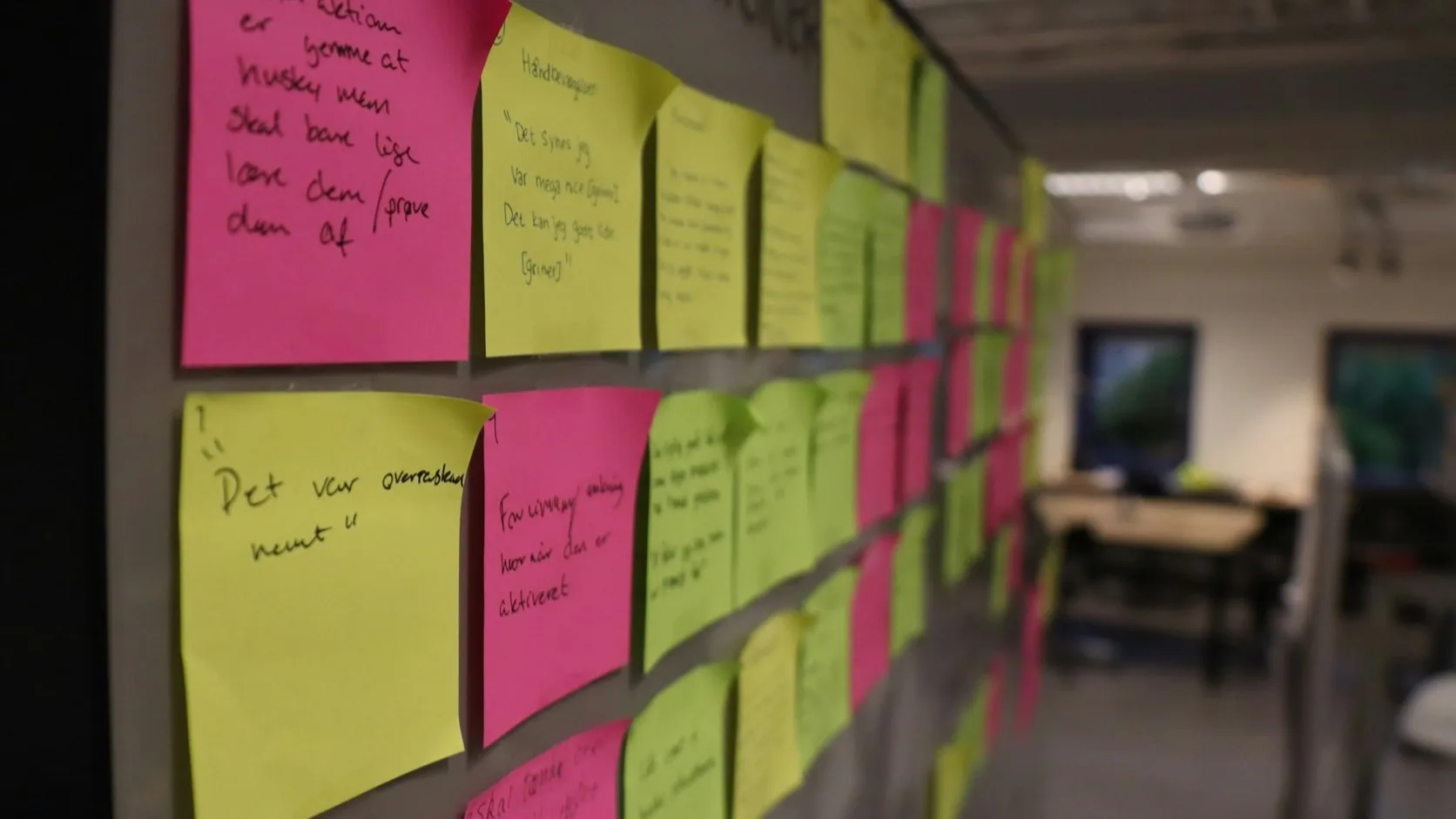
This is a pre-code checklist. It is not a 40-page business plan, and it is not a pitch deck. It is a practical decision filter for founders, indie hackers, and app builders who want to avoid building a polished product around an unproven assumption.
If you want the broader strategy, start with how to validate a business idea before launch. If you want a no-build testing method, read how to validate a business idea without building anything. This checklist is the compact version you can use before deciding what to build first.
Do not write production code until you can explain who has the problem, how they solve it today, why current options are insufficient, what signal proves demand, and which tiny MVP would test the riskiest assumption.
The Pre-Code Validation Checklist
Work through these steps in order. If one step is weak, do not skip ahead and compensate with more features. Fix the assumption first.
1. Define the exact customer
"Small businesses" is not a target customer. "Solo bookkeeping consultants serving US-based ecommerce brands" is closer. Your customer definition should be narrow enough that you know where to find them, what tools they use, and what language they use to describe the problem.
If the audience is still vague, use the guide on finding the right target audience before you continue. For app ideas, also compare B2B vs B2C app directions.
2. Name one painful problem
A real business idea usually starts with a painful, repeated problem. Write the problem in one sentence without mentioning your product.
For a deeper filter, use the framework in how to know if your business idea solves a real problem.
3. Identify the current workaround
If people have a painful problem, they usually do something about it already. They use spreadsheets, manual labor, consultants, messy Zapier flows, screenshots, voice notes, or an expensive competitor. The workaround tells you the problem is real.
No workaround is a warning sign. It may mean the pain is not urgent enough to create demand.
4. Check competitor review complaints
Before writing code, inspect reviews of existing products. Look for repeated complaints about pricing, missing features, complexity, onboarding, poor support, or narrow use cases. These complaints help you find your wedge.
A good competitor review insight sounds like: "Users like the category, but freelancers complain that enterprise tools are too heavy and too expensive." That is more actionable than "the market is big."
5. Test search intent
Search demand does not prove a business will work, but it can show whether people actively look for the problem or category. Look for high-intent phrases such as "software for...", "template for...", "best tool for...", "how to fix...", or "alternative to...".
Combine this with the process in how to analyze market demand for a new idea. Do not confuse broad curiosity with buying intent.
If you want a fast free search-demand check, use how to use Google Trends to validate a business idea before moving into keyword volume, ads, or landing page tests.
6. Run 10 customer conversations
Talk to people who match the target customer. Ask about past behavior, not future promises. The goal is to hear specific stories.
- When did this problem last happen?
- What did it cost in time, money, or stress?
- What have you tried already?
- Who decides whether a tool gets purchased?
- What would make switching worth the effort?
If people cannot remember the last time the problem happened, it probably is not severe enough.
7. Write a one-sentence value proposition
Your value proposition should explain who the product is for, what pain it solves, and what outcome it creates. If it needs a long explanation, the idea is probably not ready for code.
Use this format:
For [specific audience] who struggle with [painful problem], this helps them [desired outcome] without [current frustration].
Then compare it with the guide on what a value proposition is.
8. Put the offer on a landing page
A landing page can validate positioning before a product exists. It should include the audience, problem, outcome, basic pricing expectation, and one conversion action. You are not testing design awards; you are testing whether the promise makes the right person act. If the idea is an app, use the app-specific guide on landing page validation for app ideas.
Strong conversion actions include booking a call, joining a paid beta, requesting early access, or paying a small deposit.
Turn the Checklist Into an Analysis
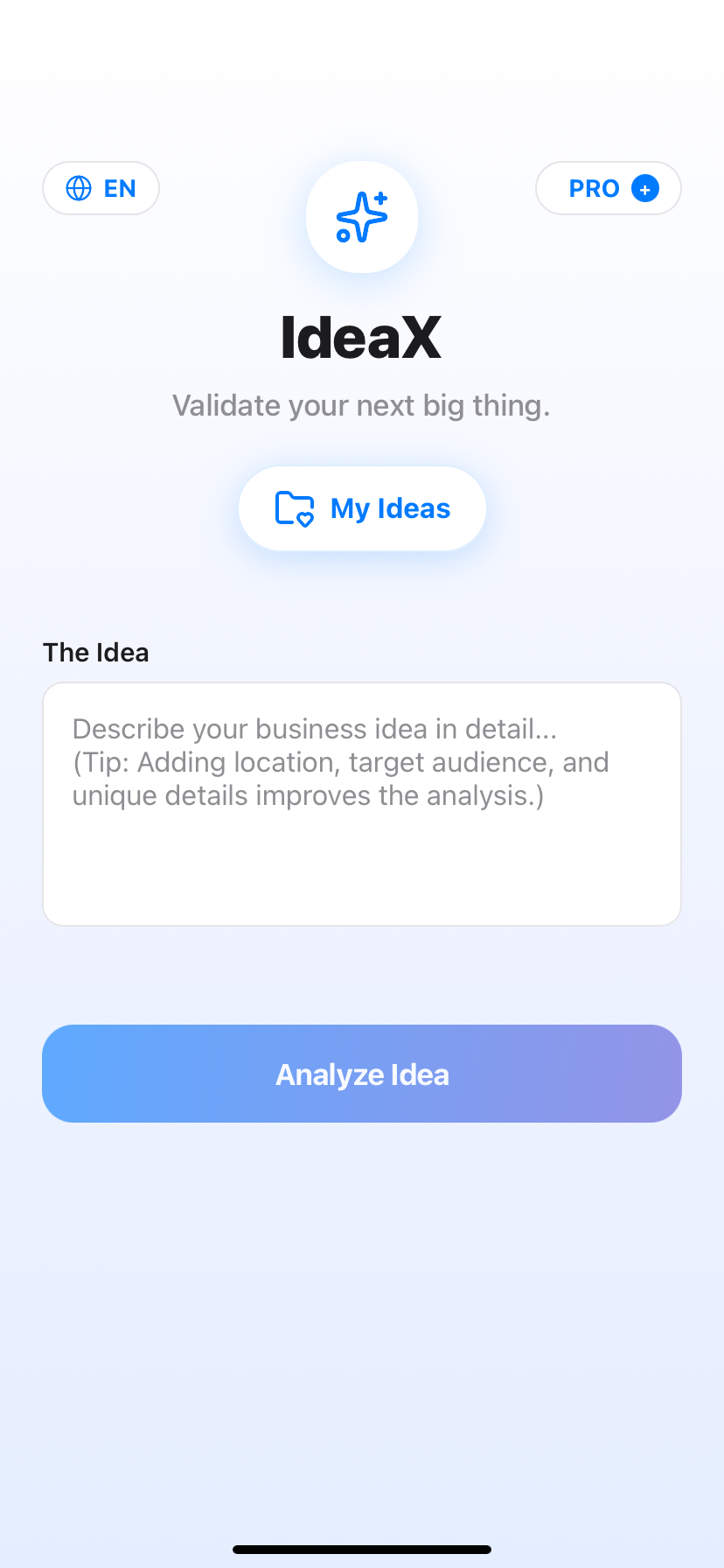
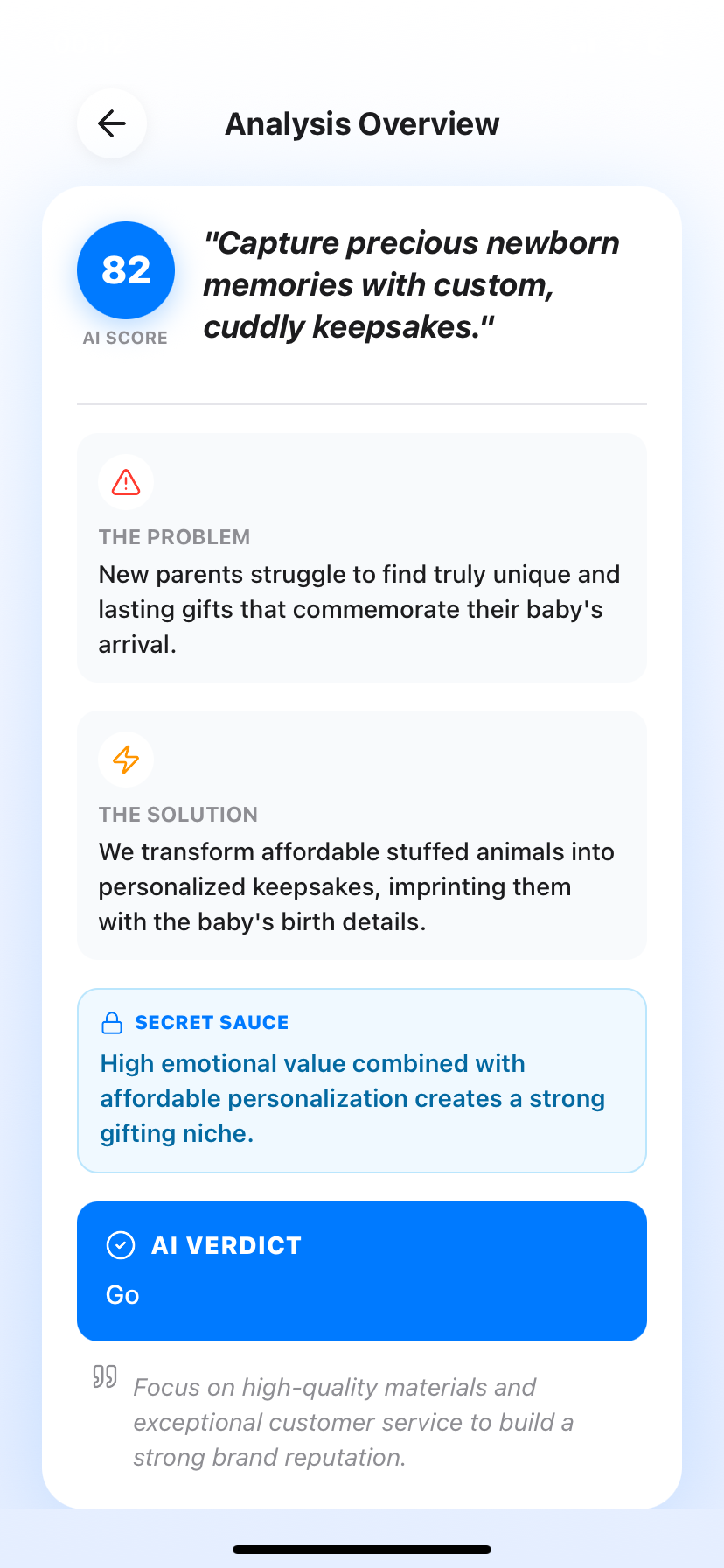
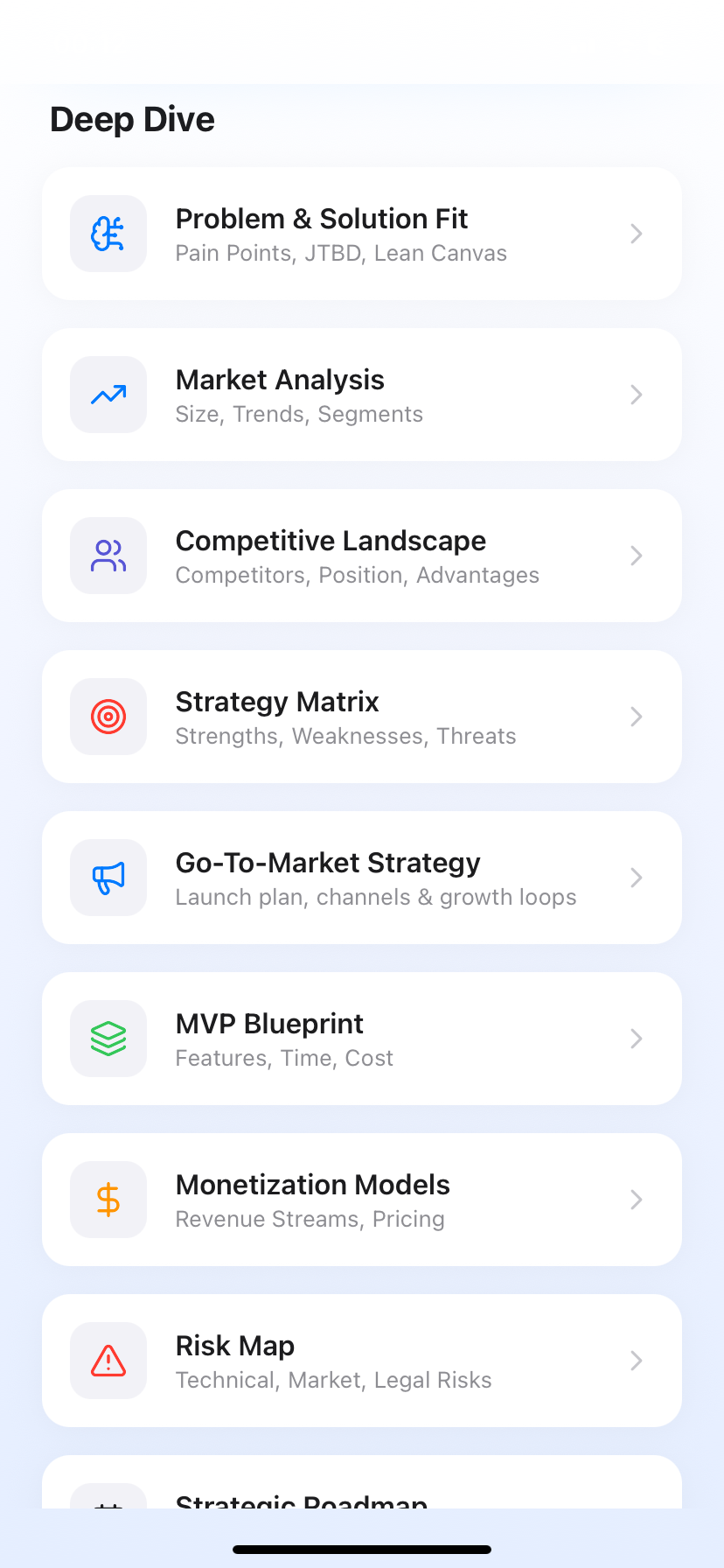
IdeaX helps structure the target audience, risks, competitors, pricing assumptions, and MVP plan before you code.
9. Ask for a meaningful commitment
Validation gets stronger when the user gives up something valuable. An email address is a light signal. A booked call is stronger. A deposit, pre-order, signed pilot, or paid manual service is stronger still.
Pick the commitment that matches your business model. A B2B software idea may need a decision-maker call or letter of intent. A consumer app may need a waitlist plus willingness to pay at a stated price. Track the signal quality with app idea validation metrics, and use survey questions to validate a business idea when you need structured responses from a larger segment.
Before treating weak encouragement as proof, review how to avoid false positives in idea validation.
10. Check unit economics before features
A product can be useful and still be a bad business. Before writing code, estimate what a customer might pay, how often they would pay, how much support they need, and how expensive they are to acquire.
If the math is unclear, use how to estimate revenue for a new business idea before you design the MVP. For apps, go deeper with unit economics for app ideas and freemium vs paid app model selection.
11. List the biggest risks
Every idea has hidden risks. Write them down before code makes you emotionally invested.
- Market risk: The problem is not painful enough.
- Audience risk: The buyer is not the user.
- Distribution risk: You do not know how to reach customers.
- Pricing risk: Users like it only when it is free.
- Execution risk: The product is harder to deliver than expected.
The risk list helps decide what to test first. For more depth, use how to identify business risks early.
12. Define the smallest MVP that tests the riskiest assumption
Do not build the most complete first version. Build the smallest version that tests the assumption most likely to kill the idea.
If the biggest risk is demand, build a landing page first. If the biggest risk is value delivery, do a manual concierge version. If the biggest risk is feature scope, use MVP feature prioritization for first-time founders before writing code.
Quick Scorecard: Should You Write Code Yet?
| Question | Green signal | Red flag |
|---|---|---|
| Customer | You can name a narrow buyer/user segment | You are targeting "everyone" |
| Problem | Users describe repeated pain in their own words | The pain is hypothetical |
| Demand | People book calls, join a paid beta, or request access | People only say it sounds interesting |
| MVP | The first build tests one risky assumption | The first build tries to include every feature |
What to Do If the Checklist Fails
A failed checklist is useful. It tells you where the idea is weak before development cost locks you in. If the audience is vague, narrow it. If the problem is weak, look for a stronger pain. If people care but will not pay, test a different buyer, price, or use case.
Do not keep adding features to compensate for weak demand. Features rarely fix a problem nobody urgently has.
IdeaX: Business Idea Analysis
A structured way to evaluate what to build next.
Check the idea before the code.
IdeaX helps turn a rough concept into a structured startup analysis: target audience, market potential, competitors, value proposition, risks, MVP priorities, and monetization assumptions in one place.
Frequently Asked Questions
What should I validate before writing code?
Validate the target customer, painful problem, current workaround, willingness to pay, acquisition channel, competitor gap, key risks, and smallest MVP scope. Code should come after the riskiest assumptions have evidence.
Can I validate a software idea without an MVP?
Yes. Use interviews, competitor review research, landing pages, paid beta offers, pre-orders, or manual delivery. An MVP is useful later, but it is not required to test whether the problem and audience are real.
How many interviews do I need before building?
Start with 10 to 20 highly qualified customer conversations. The exact number matters less than the pattern: repeated pain stories, existing workarounds, and clear urgency from people who match the buyer or user profile.
What is the strongest validation signal?
A meaningful commitment from a qualified stranger is strongest. Examples include a deposit, pre-order, booked pilot, paid manual service, or decision-maker meeting. Compliments and casual interest are weak signals.