
How to Avoid False Positives in Idea Validation
IdeaX: Business Idea Analysis
Pressure-test your idea with audience fit, demand signals, competitor gaps, risks, pricing assumptions, and MVP priorities before you build.
A false positive in idea validation is a signal that looks like demand but does not survive real behavior. Compliments, survey enthusiasm, social likes, unqualified waitlists, and free beta usage can all mislead founders if they are not filtered through audience fit, urgency, and commitment.
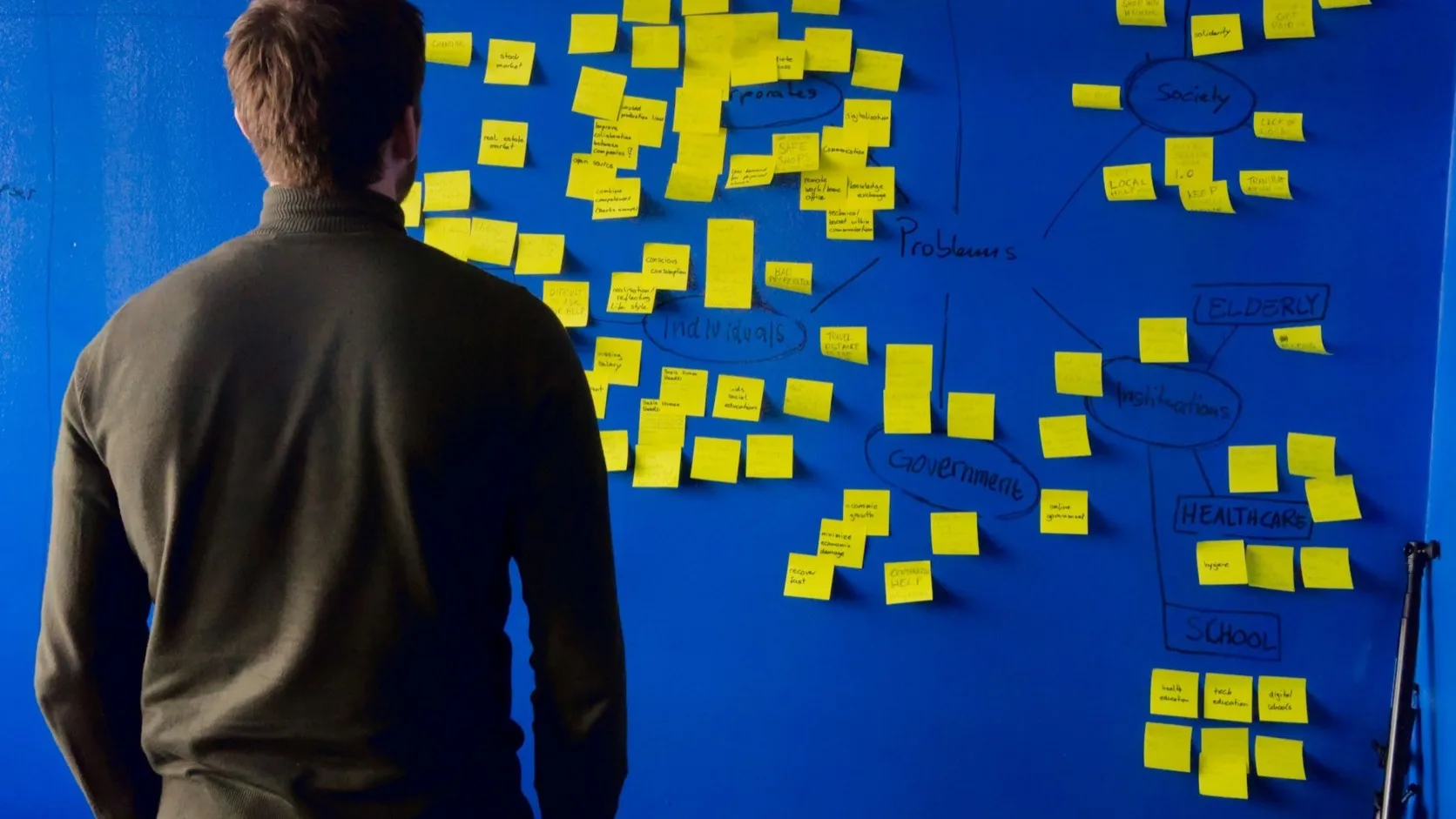
The dangerous part of early validation is not rejection. Rejection is useful. The dangerous part is weak evidence that looks positive enough to make you build. A founder hears "I would use this," sees 300 landing page visits, gets 80 waitlist signups, and starts writing code. Three months later, the same people do not activate, do not pay, and do not return.
This guide helps you avoid that mistake. Use it alongside how to validate a business idea without building anything and the business idea validation checklist before you treat early signals as proof.
Avoid false positives in idea validation by counting only signals from the right audience, asking about past behavior, adding realistic friction, measuring next-step commitment, segmenting by traffic source, and setting go/no-go rules before you look at results.
What Is a False Positive in Idea Validation?
A false positive happens when a validation test says "yes" even though the market will later say "no." It is not always caused by bad intent. Users are often polite, curious, distracted, or optimistic. Founders are often emotionally invested and interpret weak signals too generously.
The goal is not to eliminate uncertainty. That is impossible. The goal is to make your evidence harder to fake before you spend serious development time.
Common False Positives That Mislead Founders
1. Compliments from friends and friendly networks
Friends often want to support you. Their encouragement may be emotionally valuable, but it is not market validation unless they are target customers and they take the same action a real customer would take.
Filter it by asking: Would this person have the problem if they did not know me? Would they pay, switch tools, book a call, or use the product without social pressure?
2. "I would use it" answers
Future intent is cheap. People are poor predictors of their future behavior, especially when the product does not exist yet.
Replace "Would you use it?" with questions about the last time the problem happened, what they tried, what failed, and what it cost. For stronger question design, use survey questions to validate a business idea.
3. Survey answers from the wrong audience
A positive survey from the wrong segment is not positive. If your app is for first-time founders, answers from students, consultants, or general tech enthusiasts should be separated instead of averaged into the result.
Always segment by role, use case, budget, urgency, and acquisition source. The average answer can hide the only segment that matters.
4. Social likes and broad attention
Likes, reposts, upvotes, and comments can show that a topic is interesting. They do not prove that people have a painful problem or will change behavior.
Treat social attention as top-of-funnel signal only. The real question is what happens after the click: signup, reply, call, beta use, referral, or payment.
5. Unqualified waitlist signups
Waitlists are easy to inflate. Giveaways, vague promises, founder curiosity, and friend networks can produce a list that looks strong but does not convert.
Check whether the waitlist means real demand by measuring audience fit, source intent, follow-up replies, beta acceptance, referrals, and price tolerance.
6. Fake door clicks without follow-through
A click on a feature button is useful, but it is not the final answer. Some users click out of curiosity. Others click because the label is confusing.
A strong fake door test should track not only the click, but also who clicked, why they clicked, and whether they join the follow-up step.
7. Competitor existence misread as guaranteed demand
Competitors prove that some demand exists somewhere. They do not prove your specific product, audience, positioning, price, or acquisition channel will work.
Use competitor reviews to find pain and gaps, then test whether those gaps matter enough for users to switch.
8. Interviews where you pitched too much
If you explain the idea, defend the vision, and ask for approval, you are not interviewing. You are selling. That often creates polite agreement instead of real learning.
Use customer discovery to keep the conversation focused on the user's world, not your solution.
9. Free beta usage without retention or payment intent
Free users may try something because it is new, easy, or personally connected to the founder. That does not mean they will keep using it or pay.
Measure activation, repeat use, feedback depth, referral, and pricing response. A free beta is strongest when users keep returning without reminders.
How to Filter Validation Signals
Use these filters before you call a test successful.
1. Match the signal to the target user
Count evidence only from people who match the audience you plan to serve. If the product is for a narrow user group, broad enthusiasm should not drive the decision.
2. Ask about past behavior
Past behavior is not perfect, but it is stronger than future claims. Ask what they did last time, what they tried, what they paid for, and why existing options failed.
3. Add realistic friction
A zero-effort signal is weak. Add one appropriate layer of friction: email confirmation, a follow-up question, a beta invite, a calendar booking, a price range, or a deposit when it is ethical.
4. Compare stated interest with observed behavior
If people say the problem is urgent but do not answer follow-up, do not join the beta, and do not try the manual version, treat the signal as mixed. Behavior should support the statement.
5. Segment by acquisition source
Traffic from search, niche communities, founder social posts, paid ads, referrals, and giveaways should be tracked separately. One weak source can distort the whole result.
6. Set go/no-go rules before the test
Decide success criteria before the data arrives. This protects you from moving the goalpost after seeing a result you want to believe.
Find the Risk Behind the Signal
IdeaX helps founders clarify risky assumptions, target audience, market demand, competitor gaps, monetization, and validation plans before development starts.
Weak, Medium, and Strong Validation Signals
Use this table to grade evidence before deciding what to build.
| Signal | Strength | How to verify it |
|---|---|---|
| Friend says the idea is cool | Weak | Talk to target users who do not know you. |
| Survey says people would use it | Weak to medium | Check recent behavior and follow-up willingness. |
| Qualified waitlist joins from a niche channel | Medium | Invite them to beta and test reply rate. |
| Users book calls and describe a painful workaround | Strong | Offer a manual pilot or paid beta. |
| Users pay, pre-order, or repeatedly use a manual version | Very strong | Build the smallest product that preserves the proven value. |
A Simple False Positive Checklist
Before you treat validation as positive, answer these questions:
- Did the signal come from the exact audience I want to serve?
- Did the user describe a recent, repeated, costly problem?
- Did I avoid pitching or leading the user?
- Did the user already try a workaround or competitor?
- Did the test include enough friction to reveal real intent?
- Did the user take a next step after the first positive answer?
- Did I define success before seeing the result?
- Would I make the same decision if I were less excited about the idea?
If several answers are no, your signal may still be useful, but it should not justify building yet. Go back to the problem and run a sharper test. Start with how to know if your business idea solves a real problem if the core pain is still unclear.
What to Do When You Find a False Positive
A false positive is not wasted work. It tells you where the evidence was too weak.
- Wrong audience: narrow the segment and recruit better respondents.
- Weak urgency: find a more painful use case or reposition the outcome.
- Weak commitment: add a stronger next step before building.
- Weak pricing response: adjust the value proposition, target customer, or business model.
- Weak retention: reduce MVP scope and focus on the value moment.
Then update your app idea validation metrics and run the next smallest test.
Frequently Asked Questions
What is an example of a false positive in idea validation?
A common example is a waitlist with many signups from a broad giveaway campaign, followed by almost no replies, beta acceptance, or payment intent. The signup number looked positive, but behavior did not support demand.
Are surveys reliable for idea validation?
Surveys are useful when they reach the right audience and ask about past behavior, current workarounds, cost, urgency, and next steps. They are unreliable when they ask people to predict future use or praise the idea.
What is the strongest way to avoid false positives?
The strongest method is to require meaningful commitment from the target user: a call, beta use, manual pilot, referral, deposit, pre-order, or repeated usage after the first test.