
Customer Discovery for First-Time Founders
IdeaX: Business Idea Analysis
Structure the customer, problem, market, competitor, risk, and MVP assumptions behind your startup idea.
Customer discovery is the process of learning whether a specific group of people has a real problem before you build a solution. For first-time founders, it is the work that prevents months of product building based only on instinct, excitement, or feedback from friends.
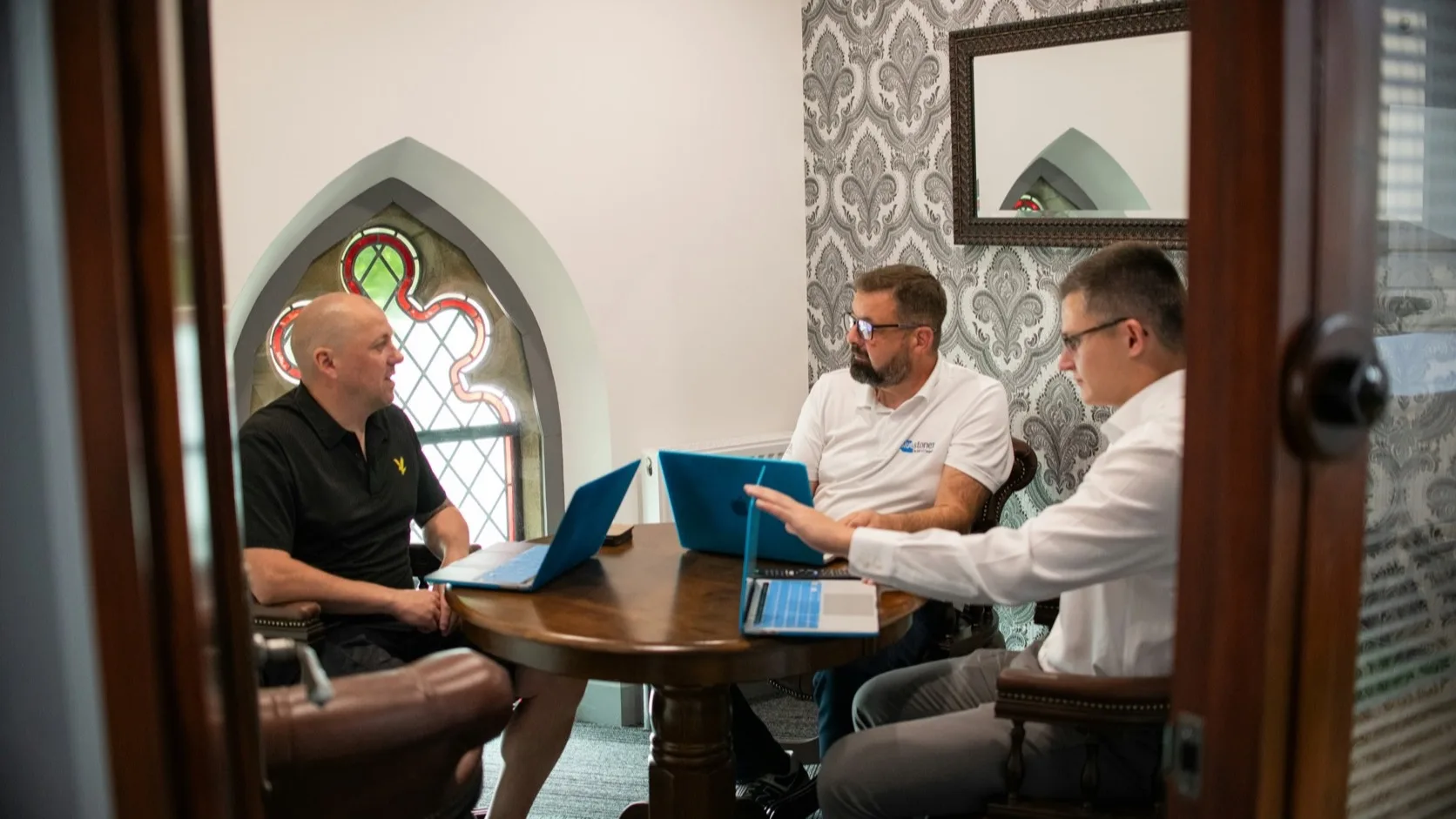
The goal is not to ask people whether your startup idea is good. The goal is to understand their current behavior: what they already do, what hurts, what they pay for, what they avoid, and what would make them change.
If you only want a list of questions, use problem interview questions for startup ideas. This guide covers the full discovery workflow: who to interview, how to recruit them, how to run the conversation, and how to turn what you learn into a decision.
Customer discovery for first-time founders means choosing one target segment, interviewing 5 to 10 qualified people, asking about recent behavior instead of pitching, scoring the evidence, and then validating the strongest pattern with a landing page, waitlist, or MVP test.
What Customer Discovery Is
Customer discovery is early evidence gathering. You are trying to answer four questions:
- Who has the problem?
- How painful or frequent is the problem?
- What do they do about it today?
- What would make them switch, pay, or try something new?
It is not market research in the abstract. Reading trend reports and competitor pages can help, but customer discovery requires direct contact with people who match your target audience.
Step 1: Start With One Customer Segment
First-time founders often begin too broad. "Small businesses," "students," "busy people," and "creators" are not useful discovery segments. You need a group specific enough that their answers can reveal a pattern.
Narrowing the segment does not mean the final business must stay narrow forever. It means your first learning cycle is clean. If you need help defining the segment, read how to find the right target audience.
Step 2: Recruit People Who Match the Segment
Discovery interviews are only useful if the people match the problem. Avoid asking friends unless they are genuinely in the target group.
- Find people in niche communities where the problem is discussed.
- Look for public posts where people complain about the workflow.
- Ask existing contacts for introductions to the exact profile.
- Use competitor reviews to find language and segments worth interviewing.
- Invite waitlist signups to a short follow-up call.
If competitor reviews reveal repeated complaints, use how to find market gaps using competitor reviews to sharpen your interview target.
Public communities can also reveal who feels the problem. Use Reddit market research for startup ideas to find pain language, workarounds, and segments worth interviewing.
For a channel-agnostic version, use how to find pain points in online communities.
Step 3: Run the Conversation Without Pitching
The biggest discovery mistake is turning the interview into a sales pitch. When you describe your idea too early, people become polite, speculative, and less useful.
| Weak question | Better discovery question |
|---|---|
| Would you use this app? | When was the last time this problem happened? |
| Do you like this idea? | How do you solve this today? |
| What features should I build? | Where does the current workflow break? |
| Would you pay for it? | What do you already pay for to solve this? |
Ask about the past, not an imagined future. Past behavior is harder to fake and more useful than promises.
Step 4: Listen for Evidence, Not Approval
You are looking for evidence that the problem is real enough to matter.
- Strong signal: the person recently experienced the problem and can explain the exact situation.
- Strong signal: they already use a workaround, tool, spreadsheet, consultant, or manual process.
- Strong signal: the problem costs time, money, reputation, stress, or opportunity.
- Weak signal: they say the idea is interesting but cannot remember the last time they had the problem.
- Weak signal: they suggest features before showing urgency.
If your discovery conversations show weak problem evidence, use how to know if your business idea solves a real problem before moving forward.
Step 5: Synthesize Patterns After 5 to 10 Interviews
Do not change the idea after every conversation. After 5 to 10 interviews in the same segment, look for repeated patterns:
- Same problem language appears repeatedly.
- Same workaround appears repeatedly.
- Same trigger moment creates urgency.
- Same competitor or substitute is mentioned.
- Same objection appears when pricing or switching comes up.
Put the evidence into a simple scorecard: pain severity, frequency, workaround effort, budget, reachability, and willingness to take another step.
Step 6: Convert Discovery Into a Test
Customer discovery is not the final validation step. It tells you which hypothesis deserves a behavioral test.
- If the problem is clear but demand is unproven, run a landing page validation test.
- If people want early access, build a pre-launch waitlist.
- If you already have a beta, recruit your first 100 users.
- If feature scope is unclear, use MVP feature prioritization.
- If scope is ready for execution, write a product requirements document for the app idea.
Measure the next step with app idea validation metrics so you are not relying on intuition alone.
Turn Discovery Notes Into a Startup Plan
IdeaX helps connect customer pain, target audience, competitor gaps, risks, MVP priorities, pricing, and validation steps in one structured analysis.
Customer Discovery Checklist
- One narrow customer segment is defined.
- 5 to 10 qualified interviewees are recruited.
- Questions focus on past behavior, not future guesses.
- The founder avoids pitching until the end.
- Notes capture exact customer language.
- Patterns are scored across several conversations.
- The strongest pattern becomes a landing page, waitlist, beta, or MVP test.
Frequently Asked Questions
How many customer discovery interviews should first-time founders do?
Start with 5 to 10 interviews in one narrow segment. If the evidence is inconsistent, narrow the segment or adjust the problem hypothesis before interviewing more people.
Should I show my startup idea during customer discovery?
Not at the start. First learn about the customer's current behavior and pain. You can show the idea near the end only after you understand the problem.
What comes after customer discovery?
Turn the strongest pattern into a behavioral test: landing page signup, waitlist, paid beta, manual concierge MVP, or a very small product experiment.