
How to Validate a Business Idea Without Building Anything
IdeaX: Business Idea Analysis
Check demand, risks, competitors, and strategy before you build.
You do not need an app, prototype, or technical co-founder to validate a business idea. You need proof that a specific group of people has a painful problem, is already trying to solve it, and is willing to give something up for a better solution.
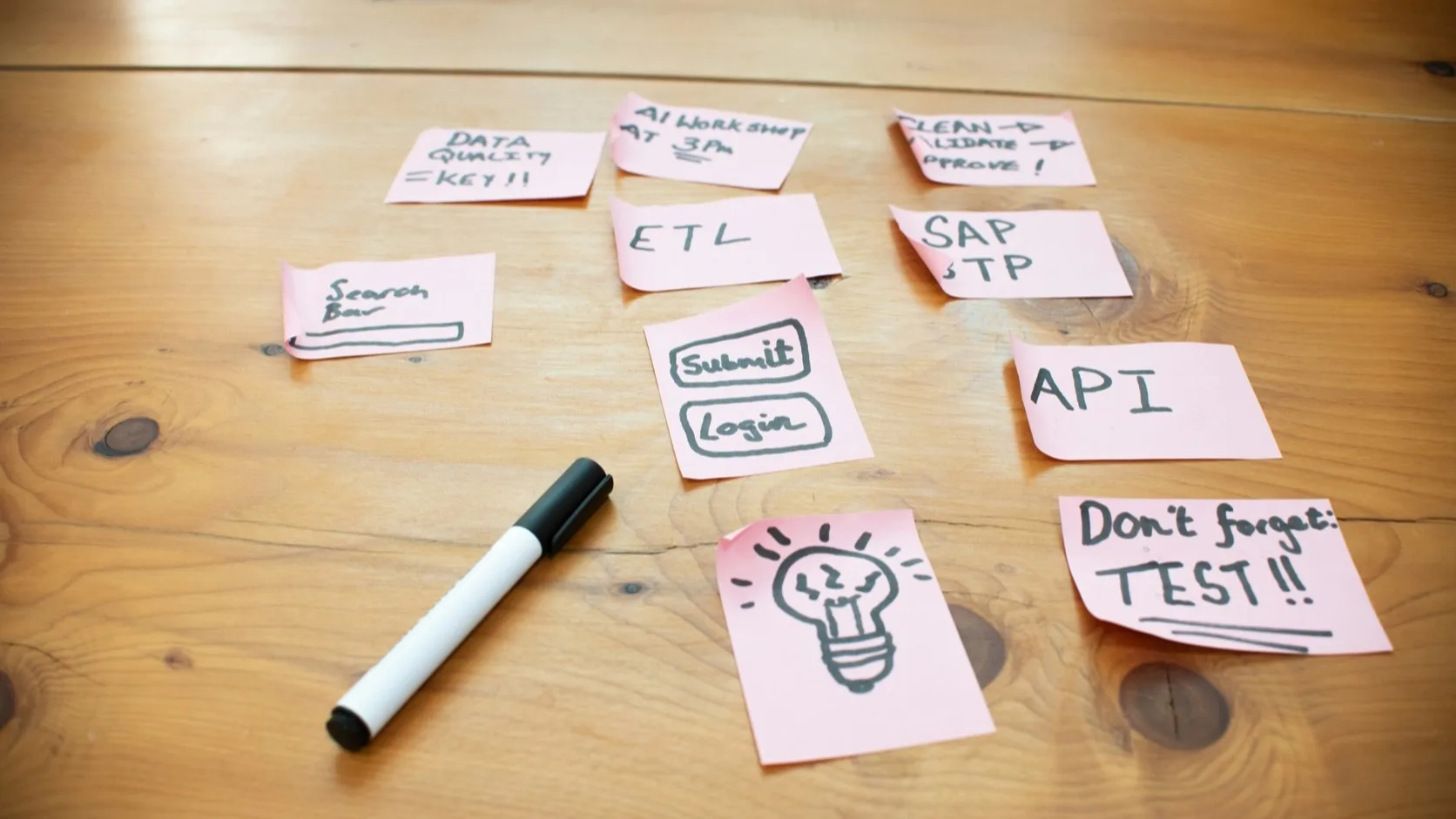
Most first-time founders validate in the wrong order. They build first, then ask the market to care. A better approach is to test the riskiest assumptions before you spend money on development. This guide shows you how to validate a business idea without building anything by using evidence you can gather in days: customer conversations, competitor reviews, landing page behavior, pre-sales, manual delivery, and clear go/no-go rules.
This is different from a full business idea validation checklist. The focus here is narrower: prove demand before the product exists while avoiding false positives in idea validation.
Do not build a product until you have evidence from people outside your personal network. Compliments are weak. Emails are better. Deposits, pre-orders, signed pilots, and repeated painful workarounds are strongest.
What Validation Means When You Have Built Nothing
Validation does not mean people say your idea sounds interesting. It means the market has shown behavior that supports your core assumptions. A person saying "I would use this" is not validation. A person joining a waitlist after seeing a price, booking a sales call, paying a deposit, or explaining the messy workaround they already use is much stronger evidence.
If you collect survey data, use survey questions to validate a business idea that focus on recent behavior, current workarounds, urgency, and willingness to take a next step.
Before you build, you are not trying to prove that your final product will work. You are trying to reduce the biggest risks: wrong audience, weak problem, no willingness to pay, bad timing, crowded positioning, or no realistic acquisition channel.
Step 1: Write the Idea as a Testable Hypothesis
A vague idea cannot be validated. Turn it into a simple hypothesis that names the customer, problem, current alternative, and promised result.
If you cannot write your idea this clearly, start with clarifying the business idea before you test it. Confusing ideas create confusing validation data.
Step 2: Find Proof That the Problem Already Exists
The best early signal is not enthusiasm. It is existing pain. Look for people already complaining, paying, hacking together workflows, or switching between imperfect tools.
Search places where your target users speak naturally:
- Reddit threads and niche communities
- App Store and Google Play reviews
- G2, Capterra, Trustpilot, and product review pages
- LinkedIn posts from operators in the target role
- Slack, Discord, and Facebook groups
- Competitor support forums and changelog comments
You are looking for repeated patterns: the same complaint, the same broken workflow, the same missing feature, or the same expensive workaround. This is where competitor research becomes practical. A one-star review that says "I cancelled because this tool cannot handle multi-client approvals" is more useful than a generic market report.
For a deeper process, use a competitor analysis for your startup idea and connect each complaint to a possible product wedge.
If the idea depends on people actively searching for the problem or category, use Google Trends for business idea validation to check interest direction, seasonality, and related queries before building.
Step 3: Talk to Customers Without Pitching
Customer conversations are still useful, but only if you avoid pitching. Do not ask people whether they like your idea. Ask about the last time they experienced the problem, what they did, what it cost, and what they tried before.
Weak questions
- Would you use this?
- Do you think this is a good idea?
- How much would you pay?
Stronger questions
- When did this last happen?
- How do you solve it today?
- What breaks in the current workflow?
A good validation interview should make you less certain but more informed. If everyone gives polite answers, your questions are too soft. You want stories, frustration, numbers, and current behavior. Use customer discovery for first-time founders and problem interview questions for startup ideas to avoid biased answers.
Step 4: Build a Landing Page, Not a Product
A landing page is enough to test whether your positioning makes sense. It should describe one audience, one painful problem, one clear outcome, and one call to action. Do not hide the price if pricing is part of your risk. For a deeper app-specific process, use how to validate an app idea with a landing page.
The page does not need a backend. It needs a real conversion event:
- Join the paid beta
- Book a problem-fit call
- Request early access
- Pre-order at a discount
- Submit a current workflow for review
A free waitlist is weaker than a deposit, but still better than opinions. If nobody clicks after you send qualified traffic, either the problem is weak, the audience is wrong, the offer is unclear, or the price feels disconnected from the pain. If you use a waitlist, make it measurable with how to build a waitlist for an app idea before launch.
Step 5: Run a No-Code Smoke Test
A smoke test measures whether people take action when the product is presented as a real offer. You can run one with a landing page, an analytics tool, and a small traffic source. The goal is not to trick people; the goal is to measure demand before you build.
| Signal | What it tells you | Strength |
|---|---|---|
| Page visit | The topic can attract attention | Weak |
| Email signup | The promise is interesting enough to remember | Moderate |
| Booked call | The problem may be painful enough to discuss | Strong |
| Deposit or pre-order | The offer has commercial intent | Very strong |
If your budget is small, start with a narrow audience and fewer clicks. A small but targeted test teaches more than broad traffic from people who would never buy.
Analyze the Idea Before the Test
IdeaX helps structure your audience, risks, competitors, and value proposition before you spend on experiments.
Step 6: Validate Willingness to Pay Early
Many founders confuse interest with demand. Interest is free. Demand has a cost. You do not always need to charge money immediately, but you should test willingness to give up something meaningful.
Depending on your market, that commitment can be:
- A refundable deposit
- A paid discovery session
- A signed letter of intent for a pilot
- A booked implementation call with the decision maker
- A real workflow file or dataset submitted for manual review
If the idea is B2B, a call with an intern is not the same as commitment from the person who owns the budget. If the idea is consumer, a like on a post is not the same as a pre-order. Match the signal to the business model.
Step 7: Deliver the Outcome Manually
If people show intent, you still do not need to build the product. Deliver the core outcome manually for a small number of early users. This is the concierge version of the business. For an app-specific version, use how to run a concierge MVP before building an app.
For example, if your idea is an AI tool that creates onboarding checklists for small agencies, do not build the AI first. Ask five agencies for their current onboarding documents, create the improved checklists manually, charge a small fee, and see whether they use the result. If they do, you have stronger evidence for what to automate.
Manual delivery reveals the product requirements that a landing page cannot. You learn which output people care about, what they ignore, what they ask for next, and whether the promise creates enough value to repeat.
Step 8: Use Clear Go / No-Go Rules
Before you run tests, define what result will make you proceed, change direction, or stop. Otherwise, you will reinterpret weak data because you want the idea to work.
Example go / no-go rules
- Proceed: 10 qualified interviews, 6+ repeated pain stories, 3+ people willing to join a paid beta.
- Refine: strong pain but weak conversion; test a clearer audience or sharper value proposition.
- Stop: people understand the offer but no qualified person takes a meaningful action.
A failed validation test is not a failure. It is a cheap answer. The expensive failure is building for months before the market gives you that same answer.
Common Mistakes When Validating Without Building
The biggest mistakes are usually not technical. They are interpretation mistakes.
- Testing too broad an audience: "small businesses" is not specific enough.
- Counting compliments as proof: polite encouragement does not predict buying behavior.
- Skipping price: a free product and a paid product are different ideas.
- Ignoring existing alternatives: if people already solve the problem well enough, your wedge is weak.
- Changing the test midstream: decide success criteria before you see results.
If you repeatedly get weak signals, use a structured risk review like identifying business risks early instead of forcing the same idea through another soft test.
When Should You Finally Build?
Build when the evidence points to a specific product, not when the idea feels exciting. The right time is after you know who the first user is, what painful workflow they have, what result they value, how they currently solve it, and what proof suggests they will pay.
At that point, your first product should still be small. Use the validation evidence to decide what belongs in the MVP and what can wait. If you are unsure, use MVP feature prioritization for first-time founders before development begins.
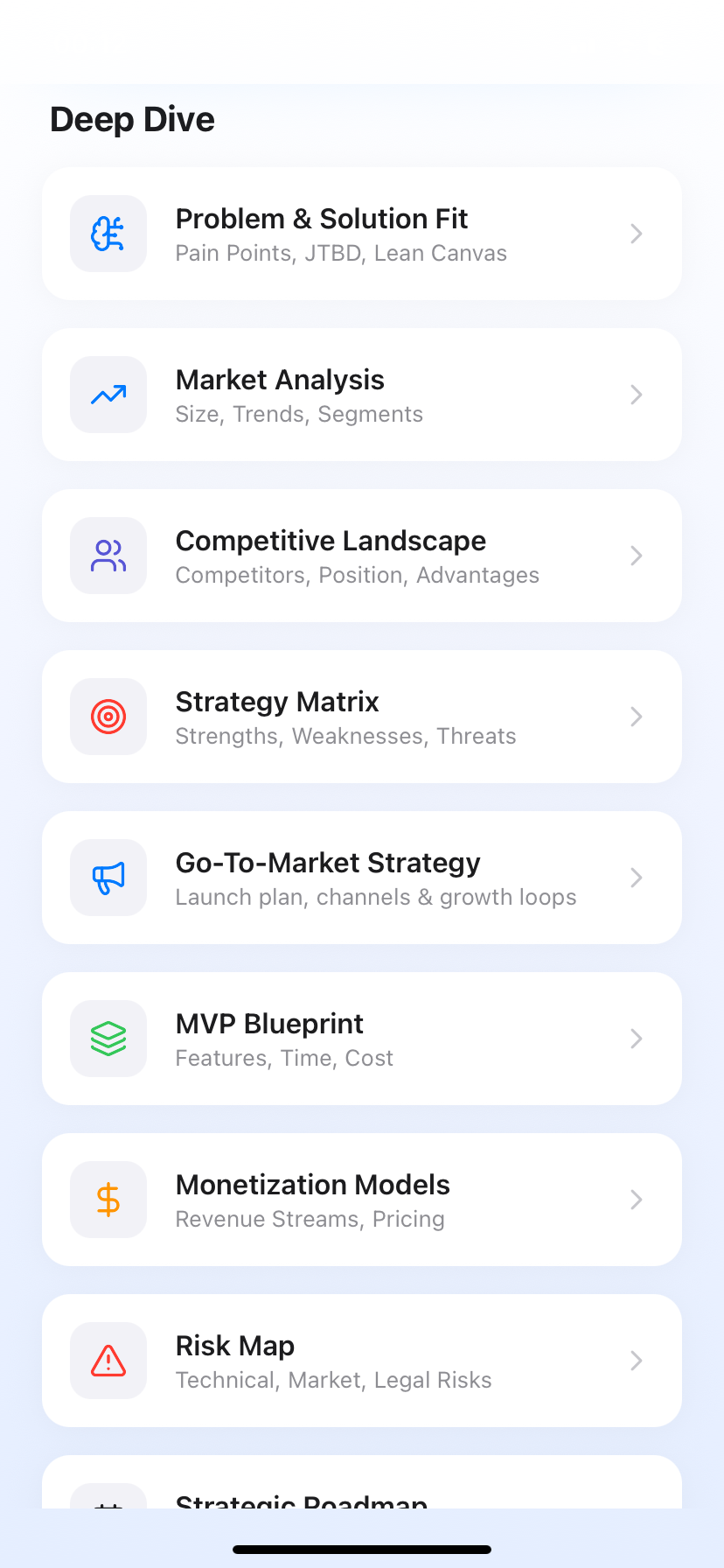
IdeaX: Business Idea Analysis
A structured way to evaluate what to build next.
Validate the logic before you validate the market.
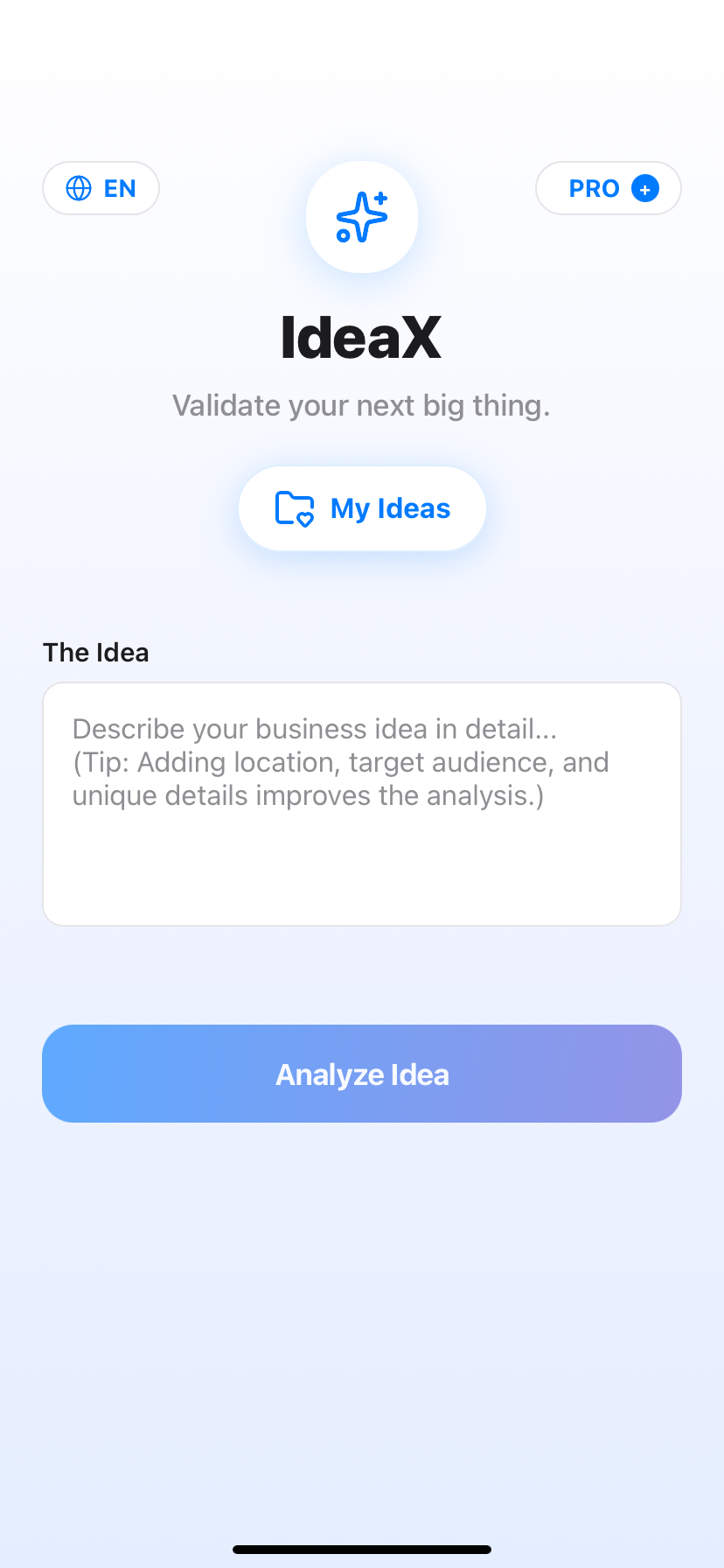
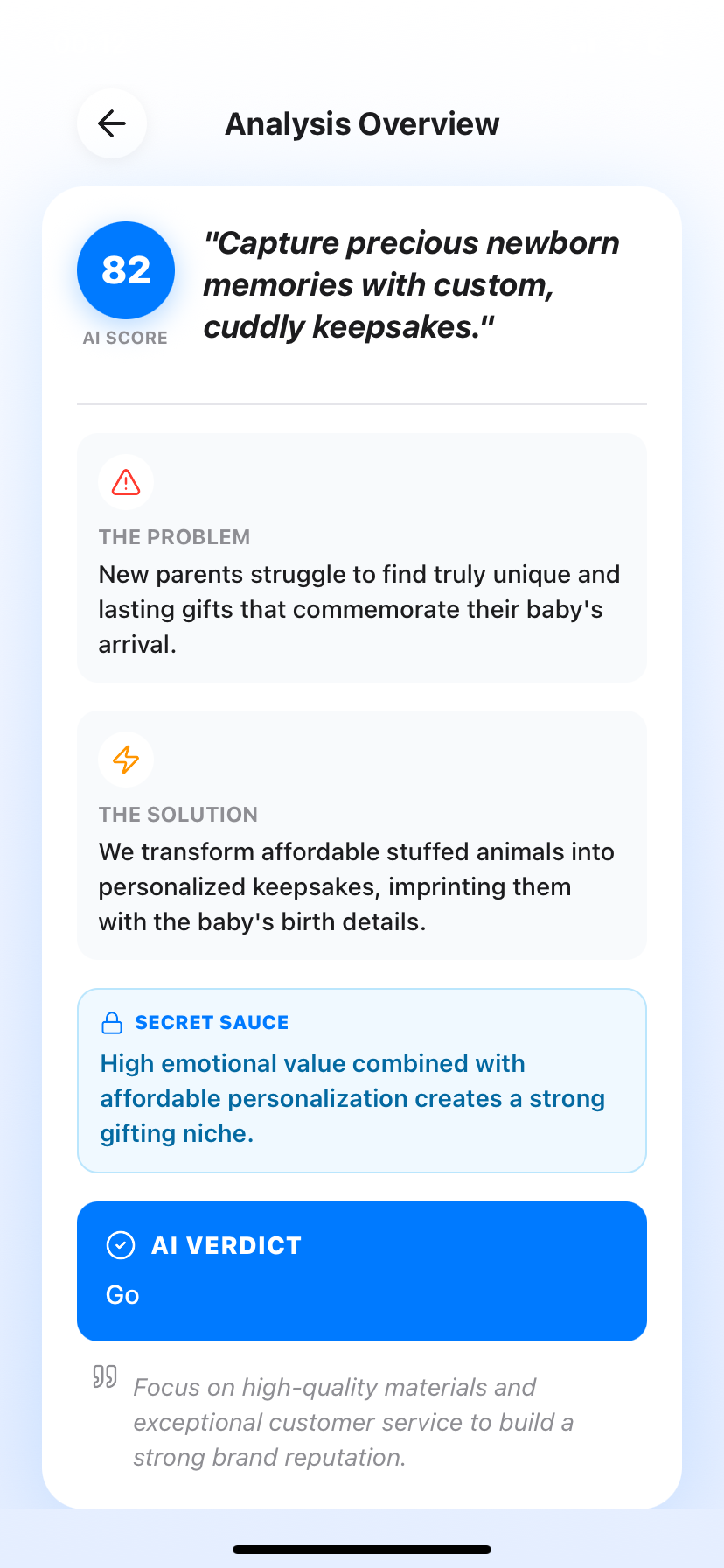
Before you run a landing page test, IdeaX can help you clarify the target audience, map competitors, identify hidden risks, compare assumptions, and turn a raw idea into a more testable validation plan.
Frequently Asked Questions
Can you validate a business idea without an MVP?
Yes. You can validate problem severity, audience clarity, willingness to pay, and acquisition interest before an MVP exists. Use customer interviews, competitor review research, landing pages, waitlists, pre-sales, or manual delivery.
What is the strongest signal that a business idea is valid?
The strongest early signal is meaningful commitment from qualified strangers. A deposit, pre-order, booked pilot, signed letter of intent, or repeated manual usage is stronger than a compliment or casual signup.
How many people should you talk to before building?
Start with 10 to 20 highly qualified conversations. You are looking for repeated pain patterns, current workarounds, and urgency. If the stories are inconsistent, narrow the audience before building.
Is a waitlist enough to validate an idea?
A waitlist is a useful signal, but it is not enough by itself. A paid beta, deposit, booked call, or manual pilot gives stronger evidence because the user gives up something more valuable than an email address.