
MVP Feature Prioritization for First-Time Founders

IdeaX: Business Idea Analysis
Turn a raw idea into a clearer MVP plan, risk map, and feature priority list.
MVP feature prioritization is the process of deciding which tiny set of features belongs in your first version and which features must wait. For first-time founders, the goal is not to build a smaller version of the dream product. The goal is to build the smallest product that can test the riskiest assumption.
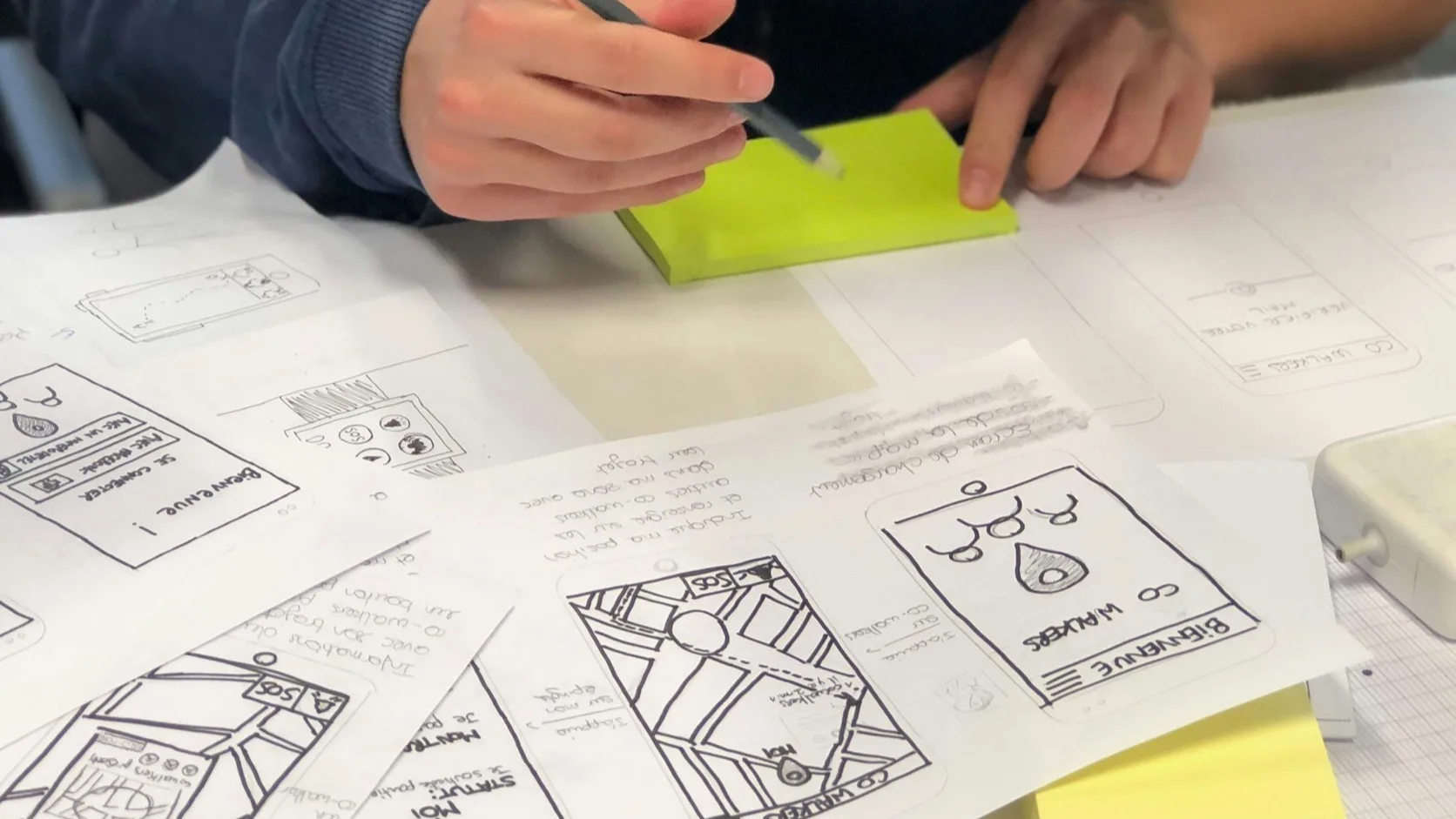
Most first-time founders add too many features because every feature feels connected to the vision. User profiles, dashboards, notifications, onboarding flows, admin tools, billing settings, AI summaries, team roles, and analytics all sound reasonable. Together, they turn a two-week learning experiment into a six-month product build.
A good MVP does the opposite. It forces you to answer one question: what must be true for this business idea to deserve more development time?
A feature belongs in your MVP only if it directly helps the user experience the core value, directly tests the riskiest assumption, or is required for trust, safety, payment, or basic delivery. Everything else is a later version.
What Is MVP Feature Prioritization?
MVP feature prioritization means choosing the smallest feature set needed to test whether your product creates enough value for a specific customer. It is not a design exercise. It is a learning strategy.
Before prioritizing features, you should know the customer, problem, current workaround, and expected value. If those pieces are still unclear, start with the business idea validation checklist or test whether your idea solves a real problem.
The First-Time Founder Mistake: Building the Vision Instead of the Test
The full product vision is useful. It gives direction. But the first version should not try to express the entire vision. It should test the belief that makes the rest of the vision worth building.
For example, if you are building a tool that helps freelance designers collect client feedback, the riskiest assumption may not be whether you can build comments, file uploads, permissions, billing, and email reminders. The riskiest assumption is whether designers and clients will actually use a shared feedback workflow instead of email.
That means the MVP might be a single no-login approval page, not a full project management platform.
Step 1: Define the One Core Outcome
Start by writing the one outcome the user must achieve. If you cannot name the core outcome, every feature will feel equally important.
The MVP feature list should support that one outcome. If a feature does not help the user reach it, cut it.
Step 2: Identify the Riskiest Assumption
Your MVP should test the assumption most likely to kill the business. First-time founders often test what is easiest to build instead of what is most uncertain.
- Demand risk: Will anyone care enough to try it?
- Value risk: Will the product create a meaningful result?
- Payment risk: Will people pay at a price that can work?
- Behavior risk: Will users change their current workflow?
- Distribution risk: Can you reach the right audience repeatedly?
If demand is the riskiest assumption, your MVP may be a landing page, paid pilot, fake door test for a feature, or concierge MVP before building the app. If value delivery is the risk, you may need a narrow working prototype. For more pre-build options, use how to validate a business idea without building anything, then track progress with app idea validation metrics.
Step 3: Sort Features Into Four Buckets
Use four practical buckets. Keep the language simple so you can make decisions quickly.
| Bucket | Definition | Decision |
|---|---|---|
| Core | Required for the user to experience the main value. | Build now. |
| Trust | Required for payment, privacy, safety, reliability, or basic confidence. | Build the simplest version. |
| Manual | Useful, but a founder can handle it manually for the first users. | Do manually. |
| Later | Nice, impressive, scalable, or convenient, but not required for the learning goal. | Cut from MVP. |
This is a founder-friendly version of MoSCoW prioritization. You can still use Must Have, Should Have, Could Have, and Won't Have, but the important rule is the same: most features belong outside the MVP.
Prioritize the First Build
IdeaX helps evaluate the risky assumptions, target audience, market demand, and MVP priorities behind a business idea.
Step 4: Use a Simple Feature Scoring Matrix
When features still feel hard to compare, score each one from 1 to 5 across four factors.
MVP feature score
- Core value: Does this help the user reach the main outcome?
- Risk learning: Does this test a dangerous assumption?
- Speed: Can this be built or manually delivered quickly?
- Trust requirement: Is this required for users to feel safe enough to try or pay?
Add the scores. Features with high core value and risk learning should rise to the top. Features with low learning value and high effort should be cut, even if they sound polished.
Step 5: Decide What Can Be Manual
First-time founders often automate too early. Manual work is not a failure in an MVP. It is a way to learn faster.
- Send onboarding emails manually.
- Create reports by hand before building a report generator.
- Approve users manually instead of building an admin panel.
- Use Stripe payment links before building complex billing settings.
- Deliver analysis in a document before building a full dashboard.
This connects to concierge and Wizard of Oz MVP tests. The user experiences the value, while you delay automation until demand is proven. For more tactics, read how to test a business idea cheaply.
If you need concrete test formats before choosing features, use these no-code MVP examples for startup ideas.
If the question is whether to custom build, buy tools, or assemble the first version with no-code, use build vs buy vs no-code for launching an MVP faster.
After you choose the first feature set, turn it into a product requirements document for the app idea with user stories, acceptance criteria, metrics, and non-goals.
Step 6: Create a Not-in-the-MVP List
Cutting a feature mentally is not enough. Write a visible "not in this version" list. This protects you from quietly adding features back when launch feels uncomfortable.
A clear exclusion list is not negative. It is how you protect the first learning cycle.
Example: Prioritizing Features for a First MVP
Imagine a first-time founder wants to build an app that helps startup founders evaluate business ideas. The full vision includes idea scoring, competitor research, market analysis, business plans, pitch decks, collaboration, dashboards, exports, and reminders.
For the MVP, the riskiest assumption is simpler: will founders find structured idea feedback valuable enough to use before building?
| Feature | MVP decision | Why |
|---|---|---|
| Idea input form | Build | Required to capture the raw idea. |
| Risk and opportunity summary | Build | Directly delivers the core value. |
| PDF export | Manual | Can be sent manually for early users. |
| Team collaboration | Later | Not needed to test individual founder value. |
| Pitch deck generator | Later | Useful, but tests a different product promise. |
This MVP is narrow, but it is not weak. It tests whether the core value matters before the founder invests in a full platform.
MVP Prioritization Checklist
Before building, run your feature list through this checklist.
- Can you state the MVP hypothesis in one sentence?
- Does every build-now feature support the core outcome?
- Does the MVP test the riskiest assumption?
- Can at least 30-50% of the "nice" features be done manually?
- Have you written a not-in-this-version list?
- Do you know what user behavior would make you continue, pivot, or stop?
- Can you ship the first version in weeks, not months?
After the feature list is focused, use an MVP roadmap template for the new app to schedule PRD, build, beta, launch, and measurement work.
If you need a broader idea-level decision before prioritizing features, use the startup idea scorecard. If you want to pressure-test the feature scope, use how to stress-test a business idea before launch.
IdeaX: Business Idea Analysis
A structured way to evaluate what to build next.
Choose the MVP before you build too much.
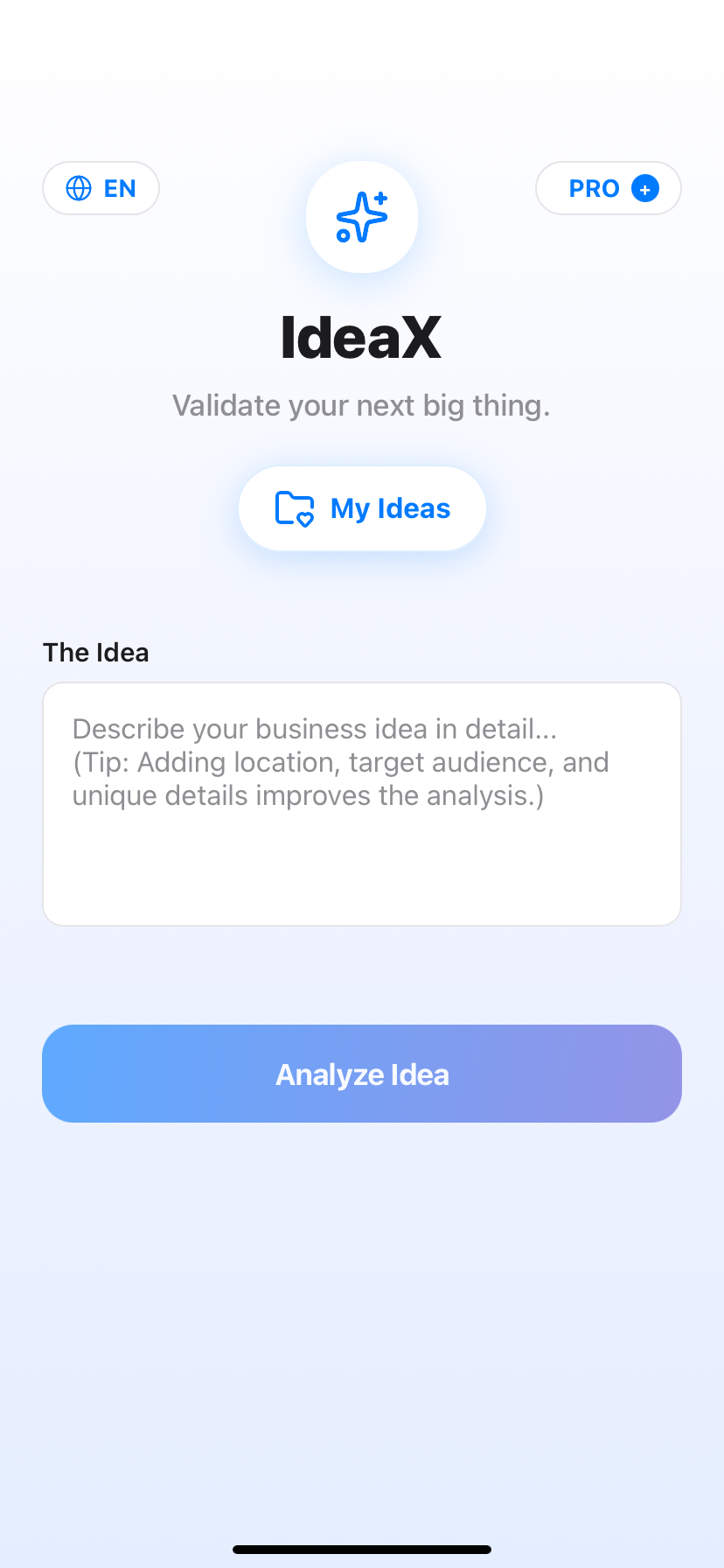
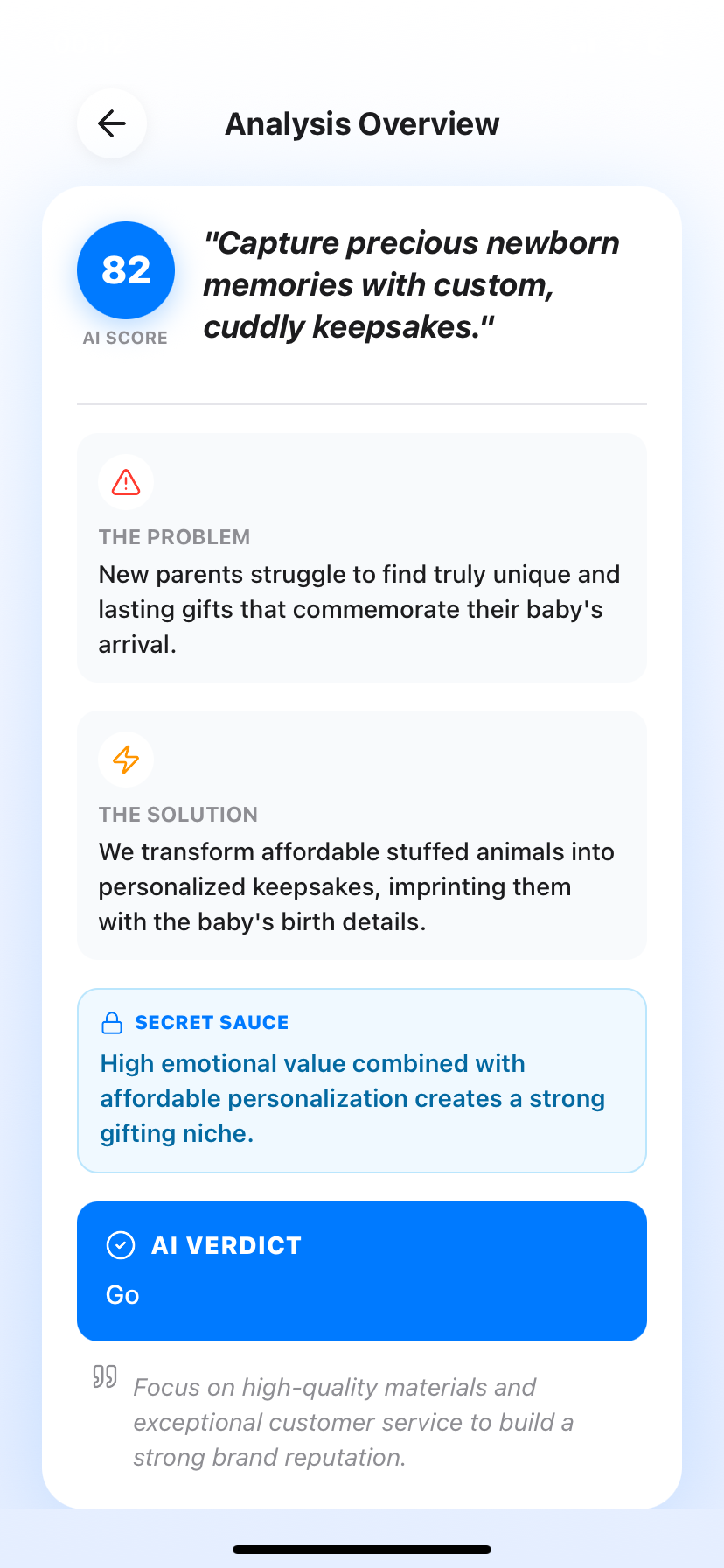
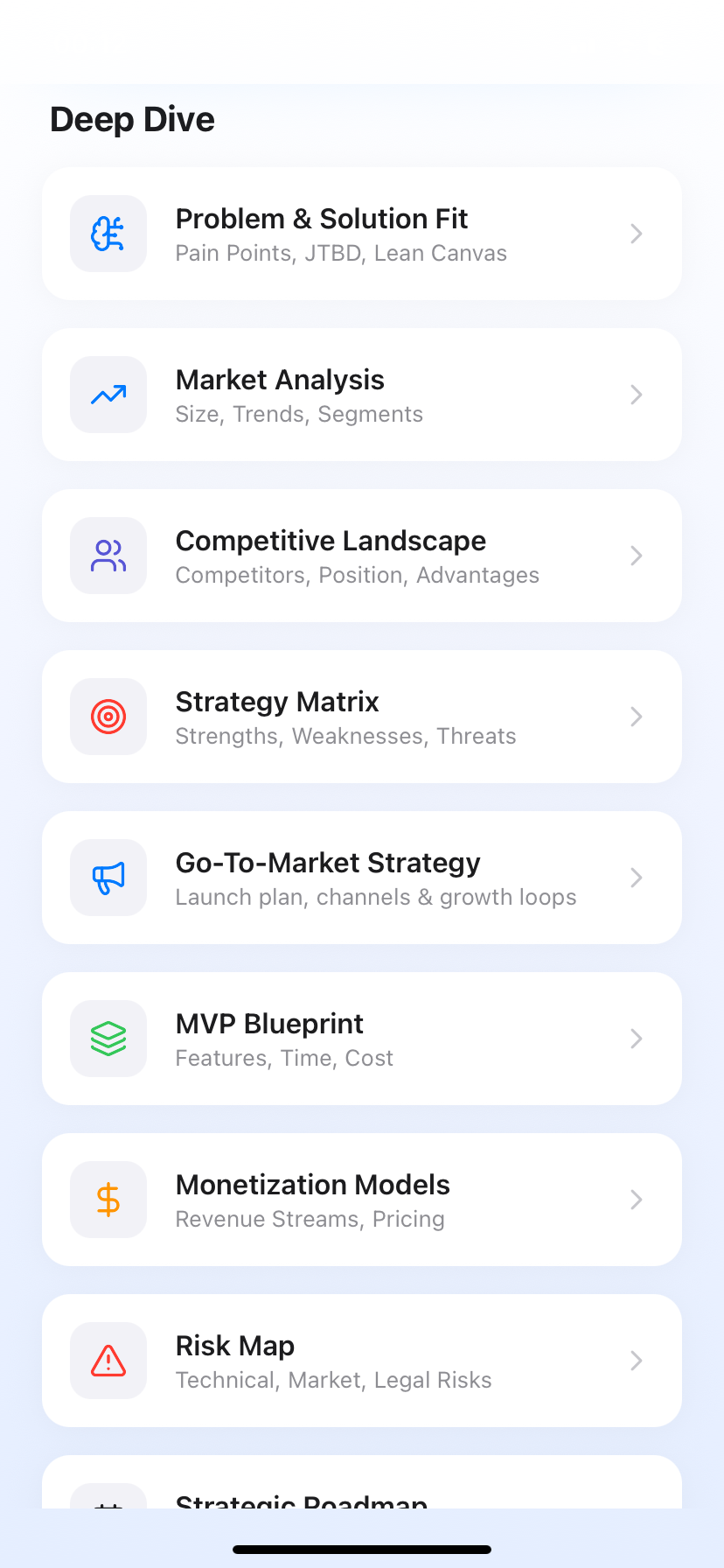
IdeaX helps founders analyze market demand, competitor gaps, monetization, risks, and MVP priorities so the first build stays focused on the assumptions that matter.
Frequently Asked Questions
How many features should an MVP have?
An MVP should have as few features as possible while still letting the user experience the core value. For many first-time founders, that means one primary workflow plus the minimum trust, payment, or delivery features required to test it.
What is the best way to prioritize MVP features?
Start with the core outcome and riskiest assumption. Then sort features into core, trust, manual, and later buckets. Build only what directly supports the learning goal or basic user confidence.
Should first-time founders use MoSCoW prioritization?
Yes, MoSCoW can help, but only if you are strict. Most features should become Should Have, Could Have, or Won't Have for the MVP. Must Have should mean the product cannot deliver core value without it.
Can an MVP include manual work?
Yes. Manual delivery is often the fastest way to test value before building automation. If users do not value the manual version, automating it will not fix the core problem.