
How to Stress-Test a Business Idea Before Launch

IdeaX: Business Idea Analysis
Find weak assumptions, hidden risks, and market gaps before launch.
A business idea stress test is a deliberate attempt to break your idea before launch. Instead of asking why the product will work, you ask why it might fail: weak demand, bad pricing, poor distribution, stronger competitors, hidden legal risk, or an MVP that tests the wrong assumption.
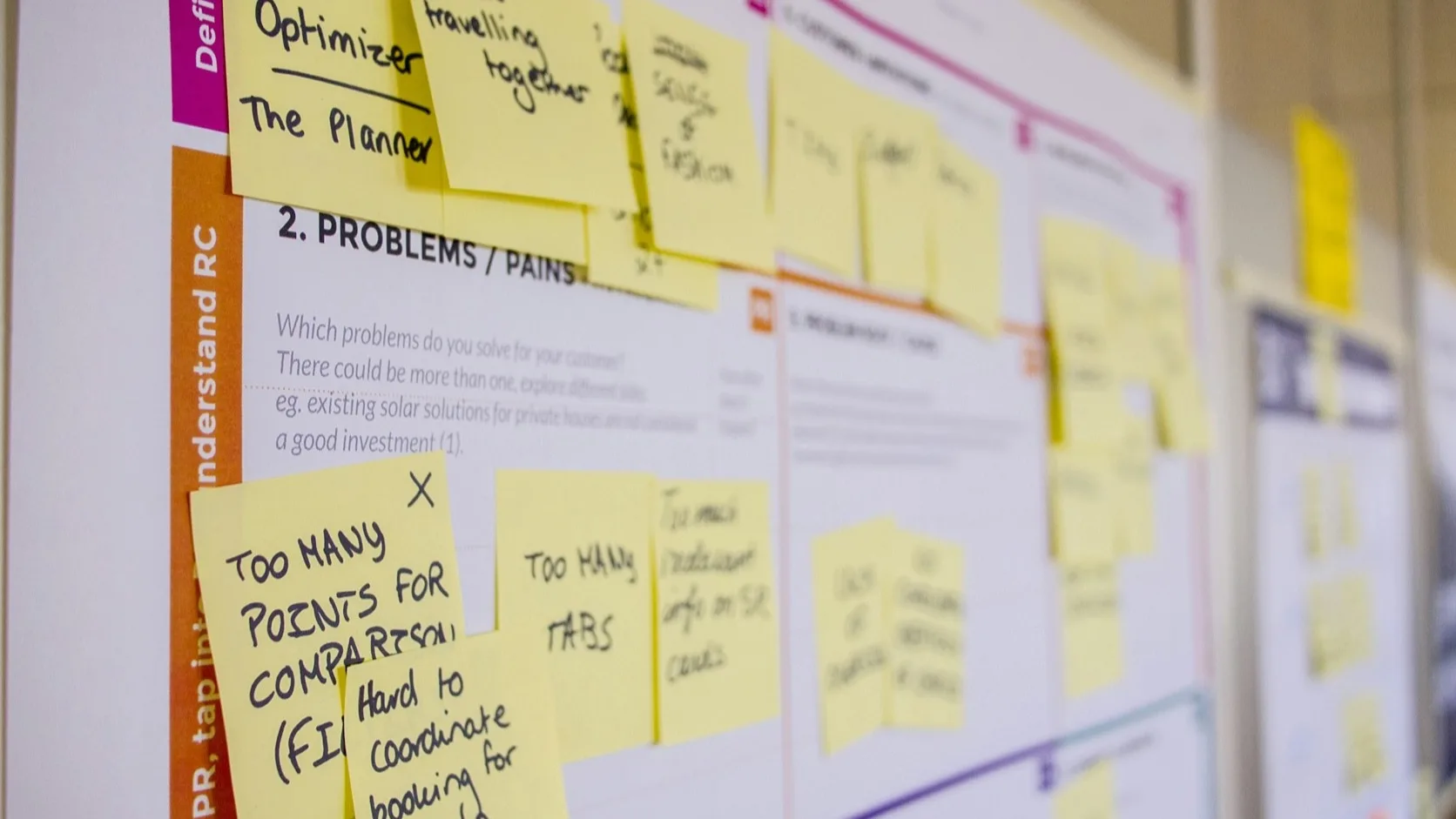
Most founders naturally defend their own ideas. A stress test reverses that instinct. You act like a skeptical investor, disappointed customer, competitor, regulator, and exhausted operator all at once. The goal is not to become pessimistic. The goal is to find the parts of the idea that need proof before they become expensive.
If you need a quick viability rating first, use the startup idea scorecard. If you are ready to challenge the idea in detail, use the stress-test process below.
Every major assumption should have a cheap test, a clear failure threshold, and a specific fix. If an assumption can kill the business and cannot be tested, it should not be ignored.
What Does It Mean to Stress-Test a Business Idea?
Stress-testing a business idea means pushing the idea through harsh but realistic scenarios before launch. You are looking for failure mechanisms: the customer does not care enough, the buyer cannot pay, competitors already own the channel, the product is too expensive to support, or the first version does not prove anything meaningful.
A normal validation process asks, "Is there demand?" A stress test asks, "Even if there is demand, what could still make this fail?"
Step 1: List Your Core Assumptions
Every business idea rests on assumptions. Write them down before you test anything. Do not hide behind broad statements like "people need this." Be specific.
If these statements are vague, return to the business idea validation checklist before writing code.
Step 2: Run a Demand Stress Test
Demand is the first assumption to attack. Ask what evidence shows that people are already trying to solve the problem. Look for existing spending, repeated complaints, manual workarounds, competitor usage, search intent, and direct conversations with the target audience.
- Have at least 10 qualified people described the problem without being led?
- Can you find public complaints in reviews, forums, or social posts?
- Do people already pay for tools, consultants, templates, or manual labor?
- Can you get a call, signup, deposit, or letter of intent before launch?
If the only evidence is your personal frustration, the idea may still be valid, but the demand has not survived stress. Use market demand analysis before building.
Step 3: Run a Pricing Stress Test
Many ideas survive interest but fail pricing. Ask whether the customer has enough budget, whether the value created is worth the price, and whether acquisition costs leave room for profit.
| Question | Weak answer | Stronger answer |
|---|---|---|
| Who pays? | The user might pay someday | The budget owner is known and reachable |
| Why this price? | It feels fair | It is tied to time saved, revenue gained, or cost avoided |
| Can acquisition work? | Marketing will be cheap | A first channel has measurable cost or organic reach |
If pricing is unclear, use revenue estimation and profitability checks before investing in development.
Step 4: Run a Competitor Stress Test
Competitors are not a reason to quit. They are a source of evidence. The stress-test question is: if current alternatives exist, why would anyone switch to you?
Look for three things:
- Complaint clusters: repeated frustrations in competitor reviews.
- Underserved segments: users who are too small, too niche, or too workflow-specific for existing tools.
- Switching friction: reasons users might avoid changing tools even if your product is better.
A strong idea can explain both why competitors prove demand and why they leave a wedge open. If you cannot, revisit your competitor analysis.
Step 5: Run a Distribution Stress Test
Founders often assume the product will spread after launch. That is not a strategy. Stress-test distribution by naming the first channel, first message, first audience, and first conversion event.
- Can you reach 100 qualified people in the next 14 days?
- Do you know which communities, search terms, newsletters, or outbound lists matter?
- Is the channel already crowded with stronger brands?
- Can you get feedback before launch through that channel?
If your launch plan is only "post on Product Hunt and hope", the idea has failed the distribution stress test.
Stress-Test the Assumptions
IdeaX helps analyze market risk, competitor gaps, GTM logic, pricing assumptions, and MVP priorities before launch.
Step 6: Run an MVP Stress Test
The MVP should test the riskiest assumption, not demonstrate every future feature. Ask what the smallest version must prove.
MVP stress-test prompts
- If this MVP works, what will we know that we do not know today?
- Which feature is only nice-to-have and can be removed?
- Can the value be delivered manually before automation?
- What result would make us stop building?
If the MVP is too broad, use MVP feature prioritization for first-time founders before launch.
Step 7: Run a Risk Pre-Mortem
A pre-mortem assumes the business failed 12 months after launch. Then you work backward and ask what caused it. This reduces founder bias because you are no longer defending the idea; you are diagnosing the failure.
- The audience liked the idea but would not pay.
- The buyer was not the daily user.
- The first acquisition channel was too expensive.
- The product required too much support to be profitable.
- A platform dependency broke the workflow.
- A competitor copied the feature and bundled it for free.
For a dedicated worksheet, use the startup pre-mortem analysis framework. For a broader risk map, read how to identify business risks early.
Step 8: Set Kill Criteria Before You Launch
Stress tests only work if you define what failure means before you see the data. Otherwise, you will reinterpret every weak result as "early signal."
Kill criteria are not negative. They protect focus, capital, and morale. They also help you pivot earlier, before the sunk cost becomes emotionally expensive.
Stress-Test Score: Build, Test More, or Stop?
After the stress test, rate each area as green, yellow, or red.
- Green: You have evidence from real behavior or credible data.
- Yellow: The assumption is plausible but needs a cheap test.
- Red: The assumption is weak, vague, or contradicted by evidence.
Build only when the dangerous assumptions are green or actively testable in the MVP. If demand, pricing, and distribution are all yellow or red, do not launch yet. Run smaller experiments first.
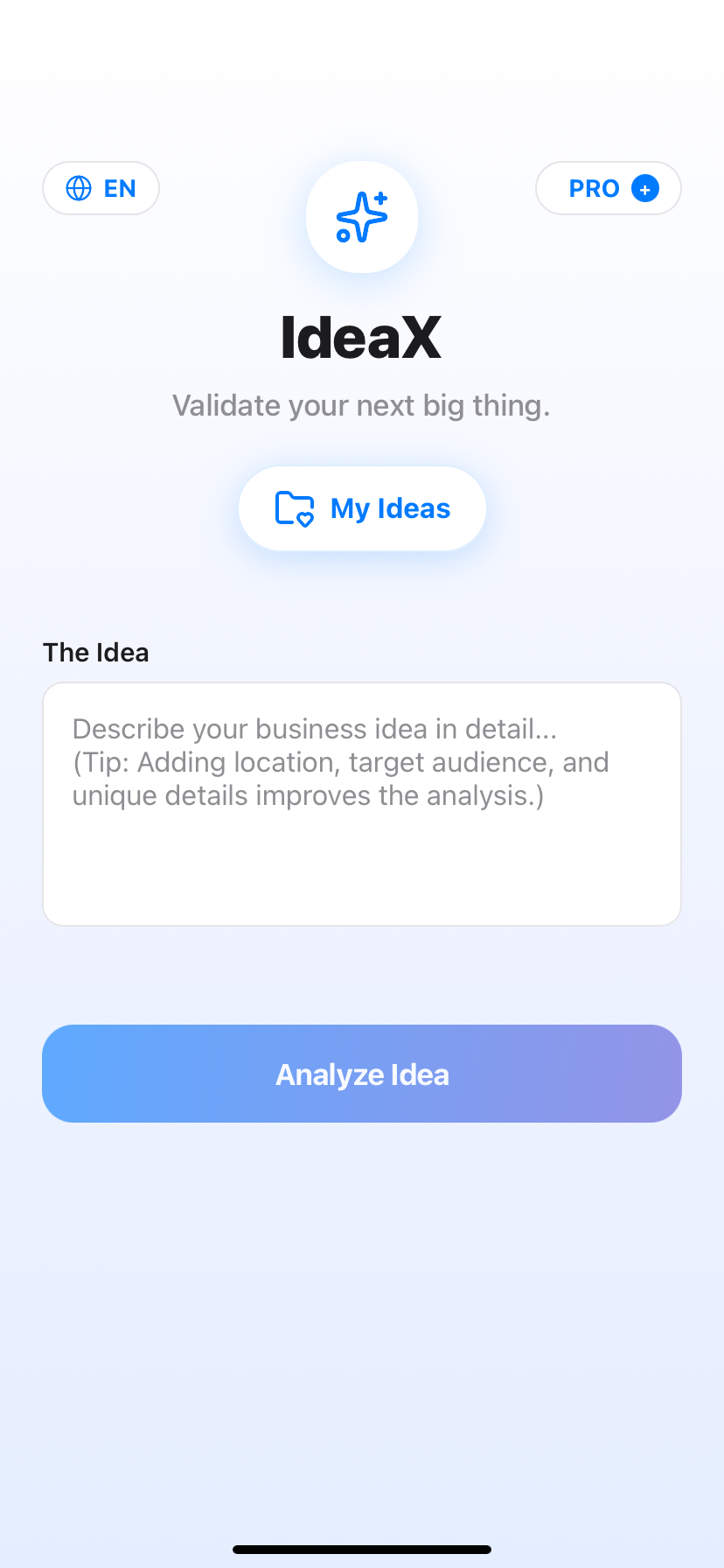
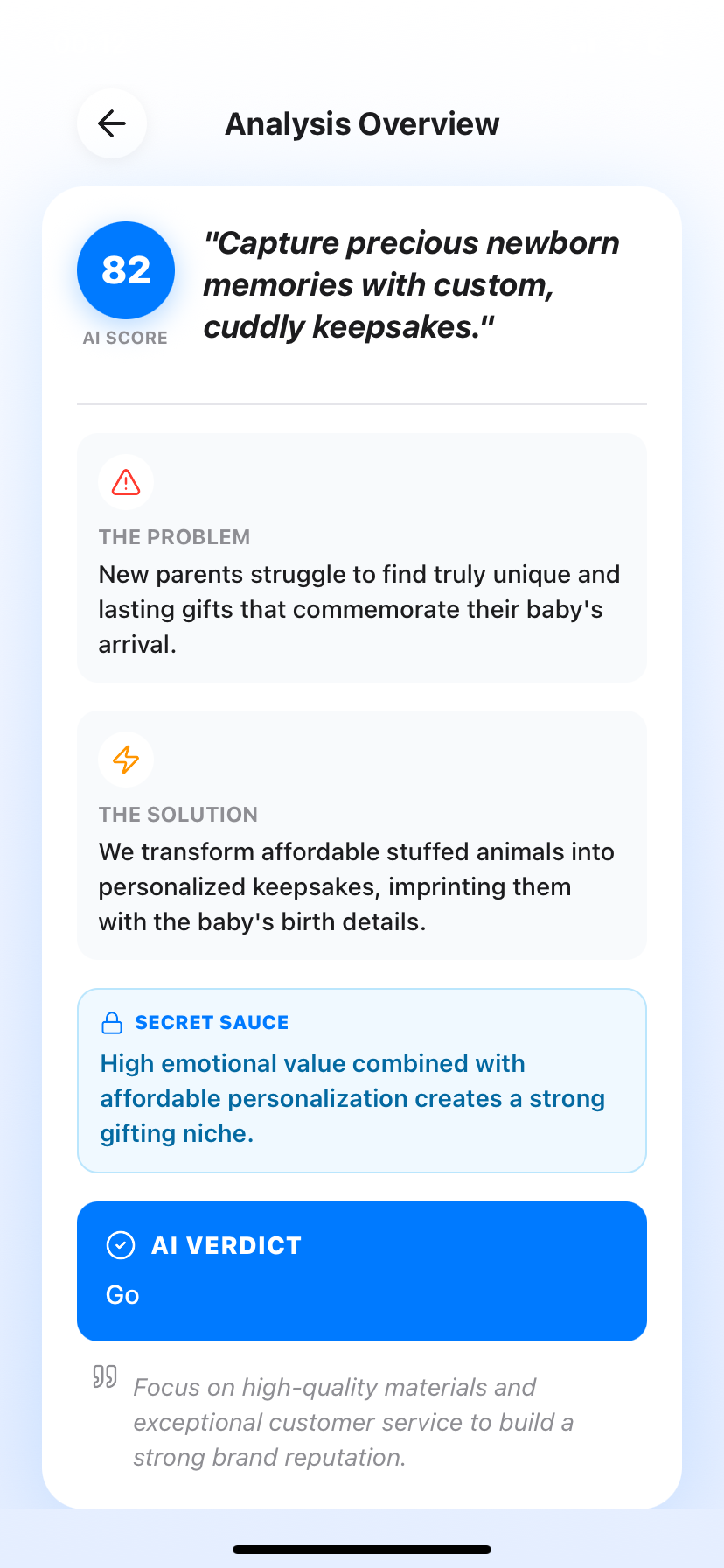
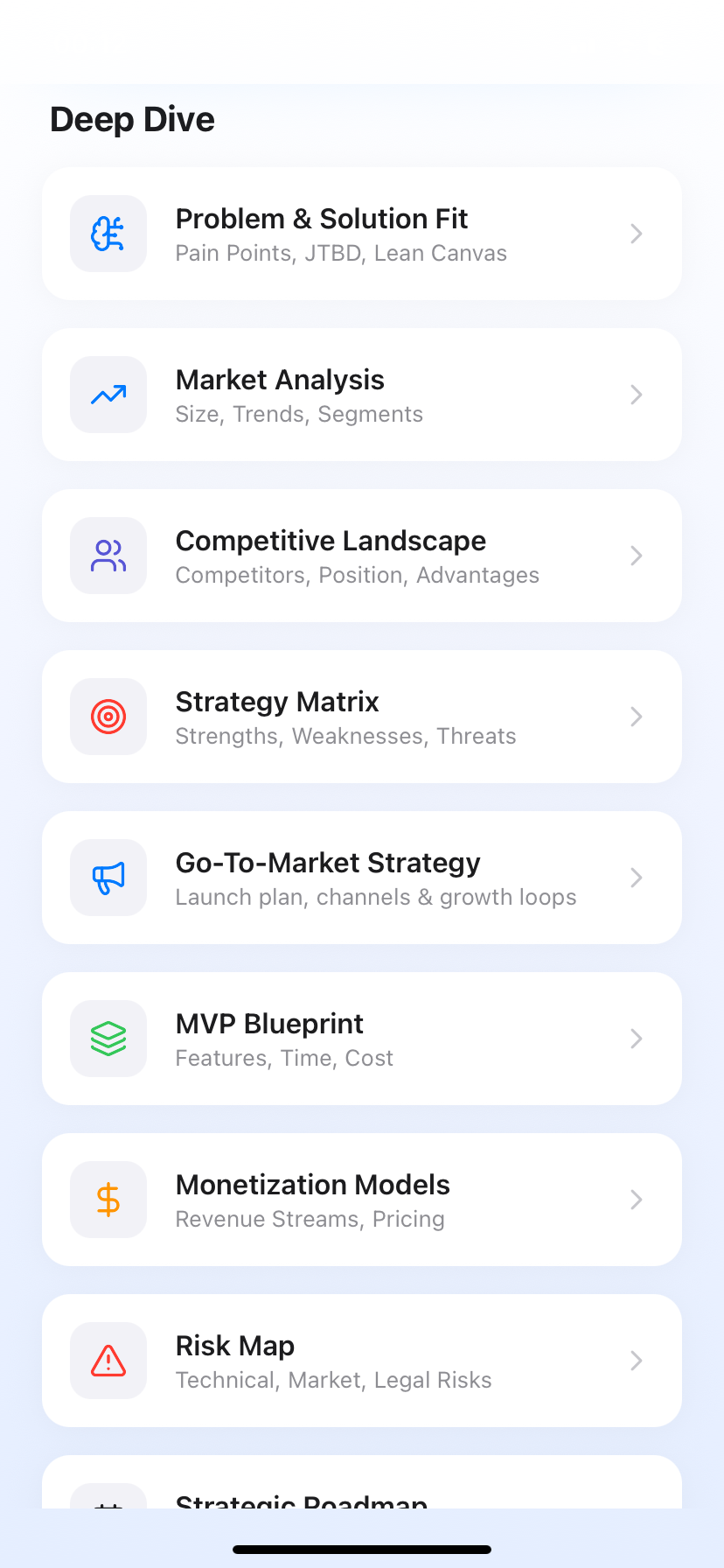
IdeaX: Business Idea Analysis
A structured way to evaluate what to build next.
Find weak assumptions before launch.
IdeaX helps stress-test a business idea across target audience, market demand, competitors, monetization, risks, and MVP planning so you can fix weak assumptions before they become expensive.
Frequently Asked Questions
What is a business idea stress test?
A business idea stress test is a structured attempt to find weak assumptions before launch. It challenges demand, pricing, competition, distribution, MVP scope, and risk so you can fix problems before building too much.
When should I stress-test a business idea?
Stress-test after you can describe the customer, problem, and proposed solution, but before you invest heavily in development, inventory, hiring, or launch campaigns.
Is stress testing the same as validation?
No. Validation asks whether the idea has evidence of demand. Stress testing goes further and asks what could still break the business even if some demand exists.
What if my idea fails the stress test?
That is useful information. Fix the weak assumption, narrow the audience, test pricing, change the MVP, or stop the idea before development cost makes it harder to walk away.